
History Belongs to Us All.
Highlighting materials contributed by community members to the Georgia Historical Society collection through the Community Archives Initiative
Introduction
History isn’t confined to textbooks—it lives in our communities. Across Georgia, individuals, families, schools, churches, and local organizations have preserved objects that tell powerful stories about the past. Through the Community Archives Initiative of the Georgia Historical Society, communities statewide play an active role in shaping how history is preserved and shared.
Grounded in the Georgia Historical Society’s collecting mission, this collaborative work helps identify, collect, and interpret materials that expand and strengthen the collection. Through active community participation, the Community Archives Initiative ensures that Georgia’s past is preserved, shared, and accessible to researchers for generations to come, while more fully representing the various experiences of people across the state.
This online exhibit features select materials collected from these community-driven efforts as part of a Community Archives Initiative project and supported by the National Historical Publications and Records Commission (NHPRC). The materials are organized by region: Northwest Georgia, Northeast Georgia, Atlanta Metro, Central Georgia, East Georgia, West Georgia, Southeast Georgia, Southwest Georgia, and Coastal Georgia. Each item offers a glimpse into everyday life, highlighting voices and perspectives that might otherwise go unheard, and that enhance and expand our understanding of our shared story as Georgians.
Northwest Georgia
Northwest Georgia, including Bartow, Carroll, Catoosa, Chattooga, Cherokee, Dade, Fannin, Floyd, Gilmer, Gordon, Haralson, Murray, Paulding, Pickens, Polk, Walker, and Whitfield counties, is shaped by mountain foothills, small towns, and strong community traditions, with cities like Rome serving as a regional hub that provide access to education, healthcare, and commerce to surrounding communities.
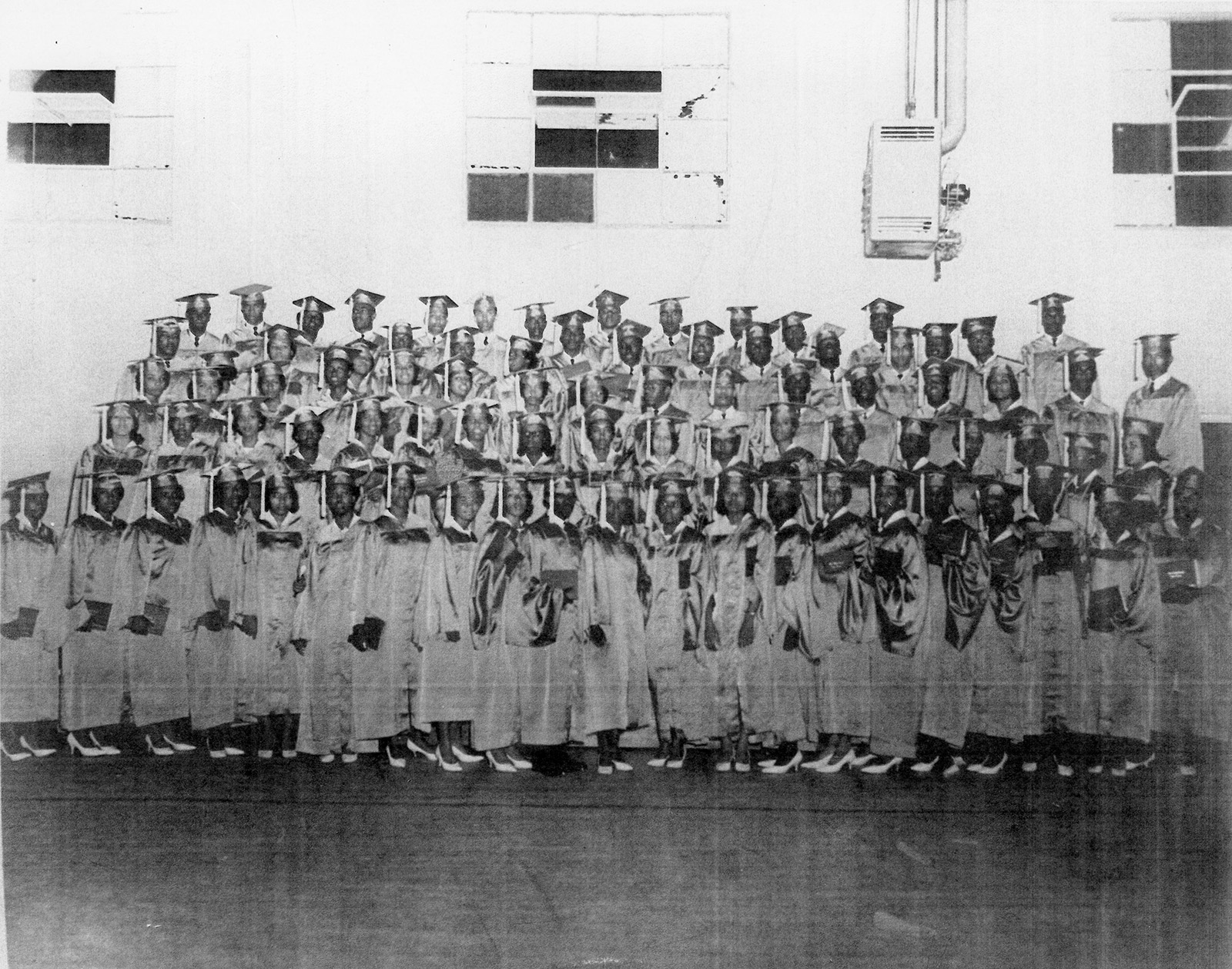
Graduation Photo
Floyd County, Georgia
Artifact Description: This 1965 graduation photo of Essie Annette Johnson at Main High School in Rome, Georgia, captures the final class of the segregated Black high school before desegregation the following year. Donated by her daughter, Tina Jones, the image preserves a pivotal moment just before educational opportunities for Black students in the community began to change.
Donated by: Tina J. from Floyd County, Georgia
Collection Development: Teah J., Georgia Southern University Pre-Service Teacher (ESOL Endorsement Program)

1982 Coke Bottle
Haralson County, Georgia
Artifact Description: One unopened bottle of Coke, labeled to commemorate the 1982 West Georgia College Braves winning the DIII National Championship with a 14-0 victory over the Augustana (IL) Vikings. West Georgia finished the season with a perfect 12-0 record. This bottle was purchased in Carrollton, Georgia, shortly after West Georgia’s Victory.
Donated by: Hutchison and Pam M. from Haralson County, Georgia
Northeast Georgia
Northeast Georgia, including Banks, Barrow, Dawson, Elbert, Forsyth, Franklin, Habersham, Hall, Hart, Jackson, Lumpkin, Madison, Rabun, Stephens, Towns, Union, and White counties, is defined by mountain landscapes, lakes, and rural communities. Sites such as Lake Lanier and the Smithgall Arts Center connect local traditions and the region’s natural surroundings.
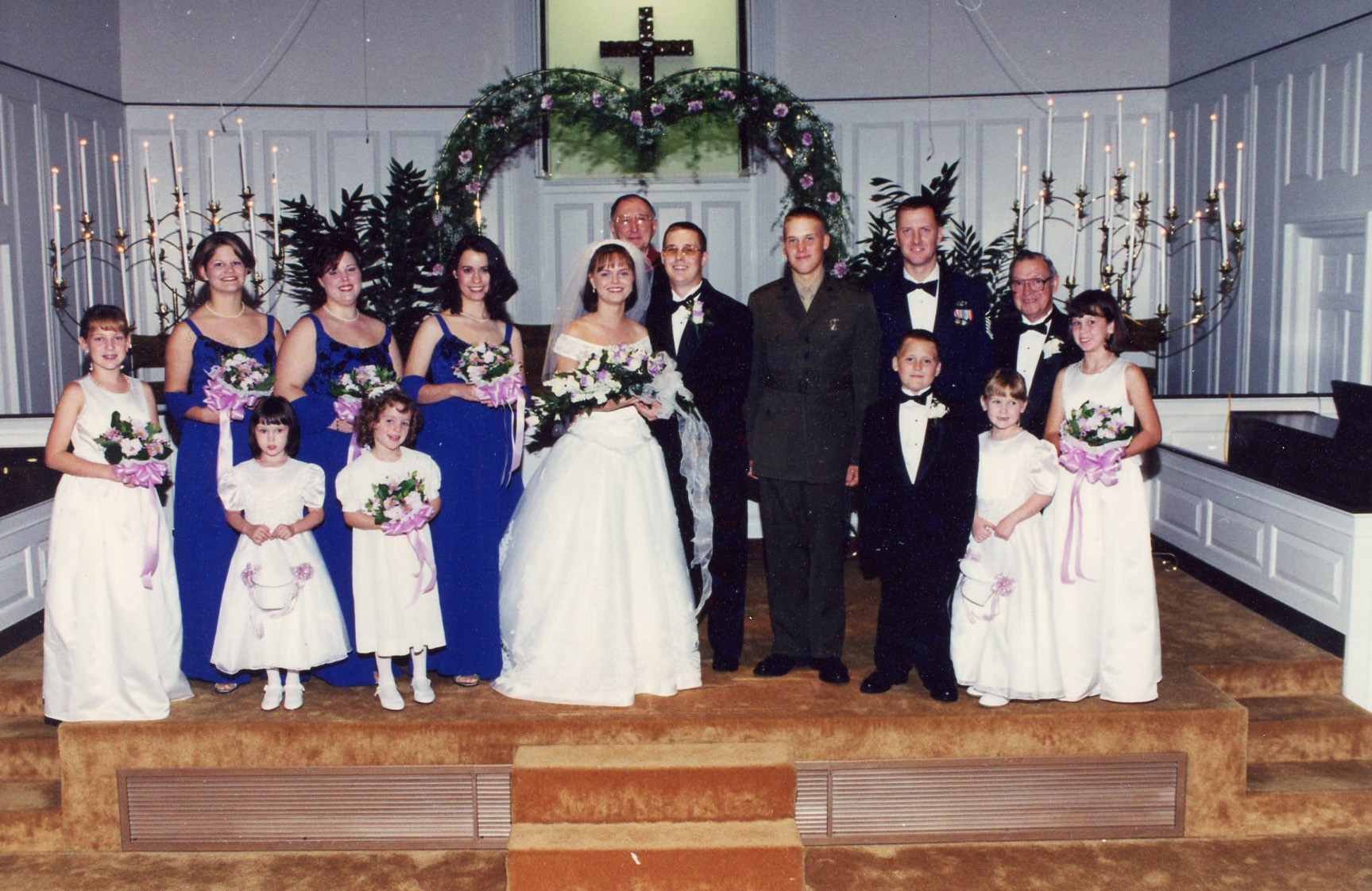
1999 Wedding Photo
Franklin County, Georgia
Artifact Description: This photograph captures the wedding of Eric Brandon Carpenter and Angela Dawn Harbin, who met as students at Hart County High School in Hartwell, Georgia, and married on October 10, 1999, at Bethany Baptist Church in Canon, Georgia. The image shows the couple surrounded by their wedding party, with about 200 guests in attendance. They later had two daughters, Lauren Nicole Carpenter and Alyssa Claire Carpenter.
Donated by: Angela C. from Franklin County, Georgia
Collection Development: Lauren C., Georgia Southern University Pre-Service Teacher (ESOL Endorsement Program)
Atlanta Metro
Atlanta Metro, including Clayton, Cobb, DeKalb, Douglas, Fayette, Fulton, Gwinnett, Henry, and Rockdale counties, is shaped by rapid growth, urban neighborhoods, and suburban communities, where everyday moments reflect enduring connections to global exchange, civic transformation, and international attention during the 1996 Centennial Olympic Games centered in Atlanta.
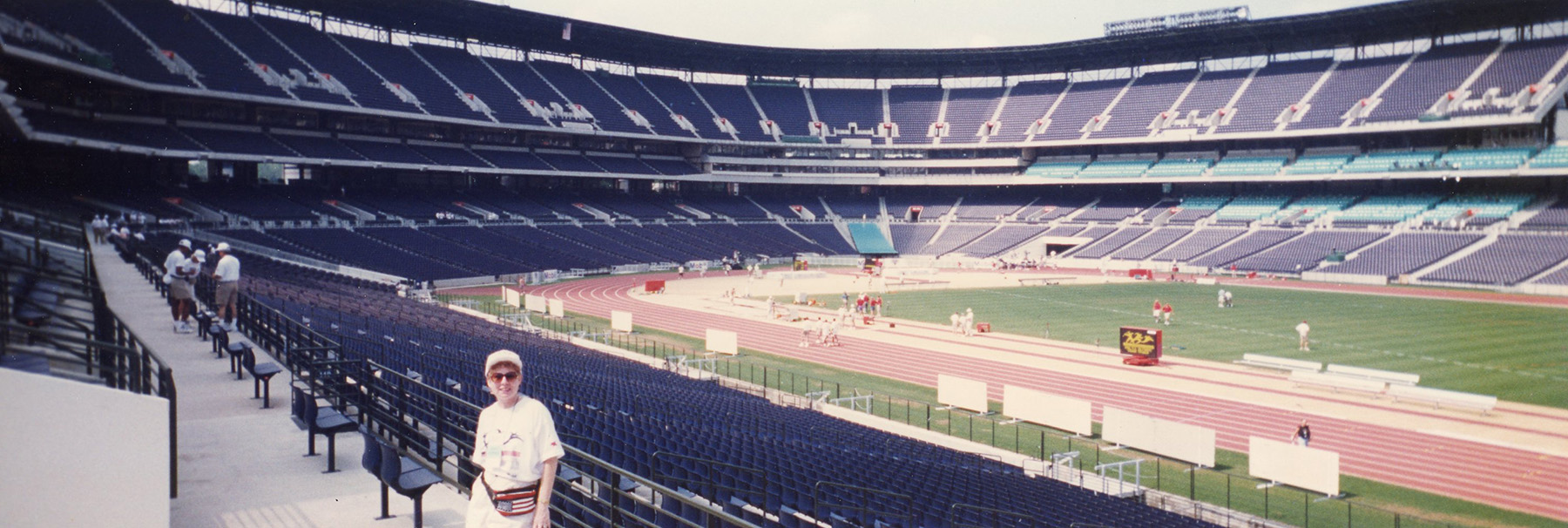
1996 Summer Olympics Volunteer Photo
Fulton County, Georgia
Artifact Description: This is a photograph that depicts Jo Jones standing in Centennial Olympic Stadium, which was built for the 1996 Summer Olympics held in Atlanta, Georgia. Jones was a volunteer at the Olympics and served as an usher and ticket taker. This photograph was taken by a friend on her film camera, on June 19, 1996, during the Track & Field Trials.
Donated by: Jo Carol J. from Fulton County, Georgia
Collection Development: Hannah J., Georgia Southern University Pre-Service Teacher (ESOL Endorsement Program)
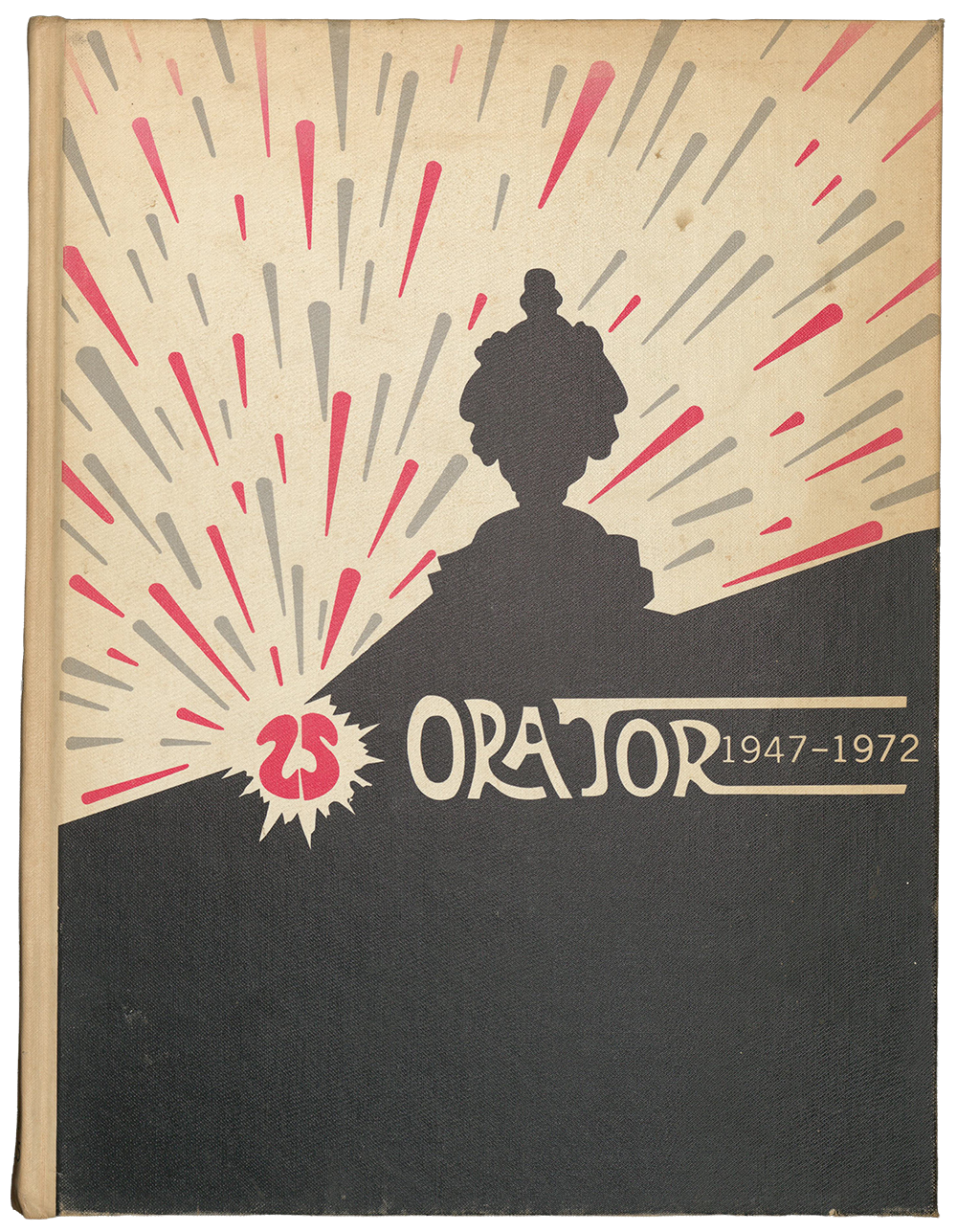
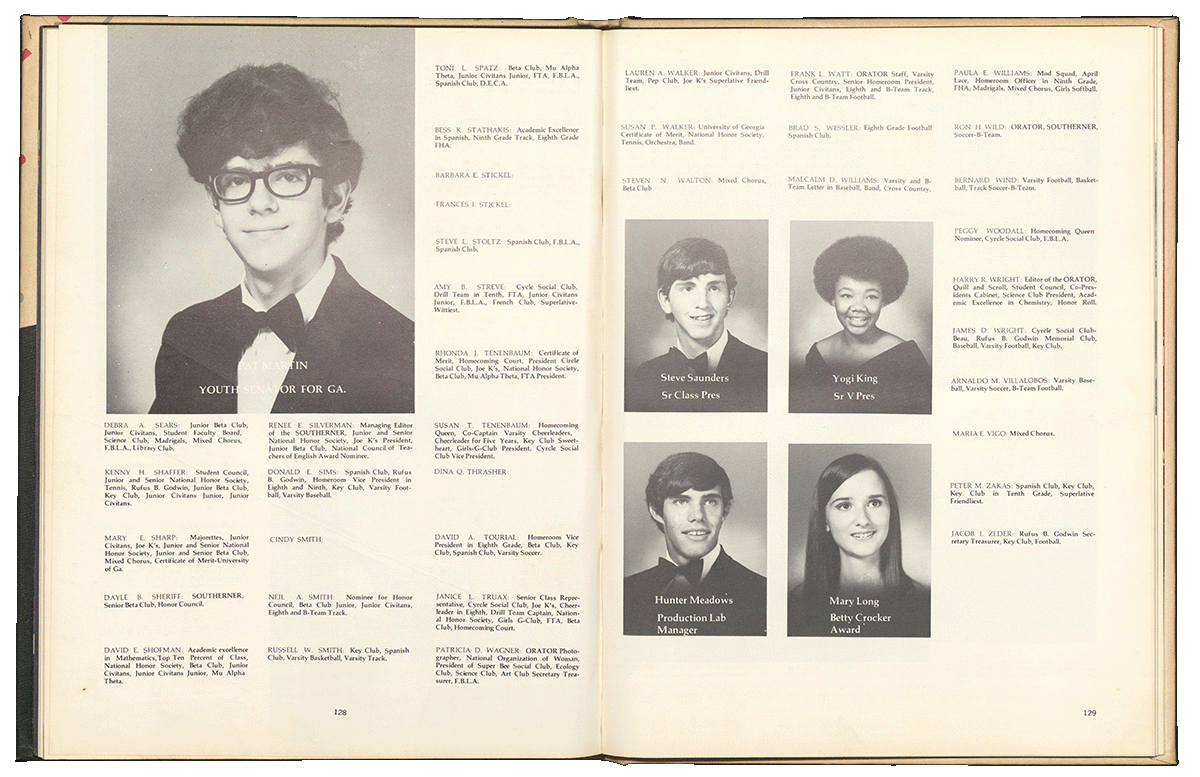
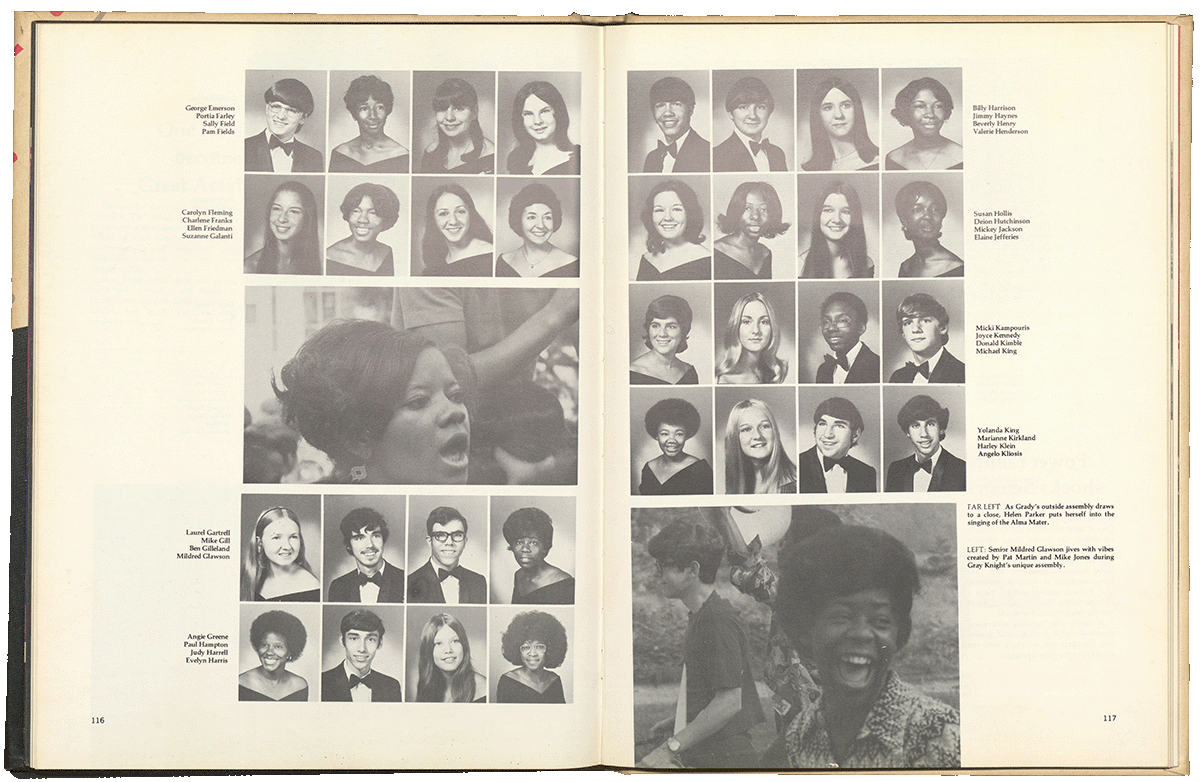
1972 Orator Yearbook
Fulton County, Georgia
Artifact Description: The 25th Anniversary Edition of the Orator yearbook from Henry Grady High School is an important document in Georgia’s civil rights journey. Donated by Dr. Harry Wright, the yearbook’s editor, the object originates from Henry Grady High School in downtown Atlanta. Dr. Wright’s personal connection to the yearbook is related to his friendship with Yolanda King, daughter of Dr. Martin Luther King, Jr., whom he met during high school.
Donated by: Dr. Harry Wright from Fulton County, Georgia
Collection Development: Eunice N., Georgia Southern University Pre-Service Teacher (ESOL Endorsement Program)
Explore Between the Margins, an educational resource created through GHS’s ongoing partnership with the Library of Congress Teaching with Primary Sources program, featuring Harry Wright’s oral history and a primary source analysis activity.
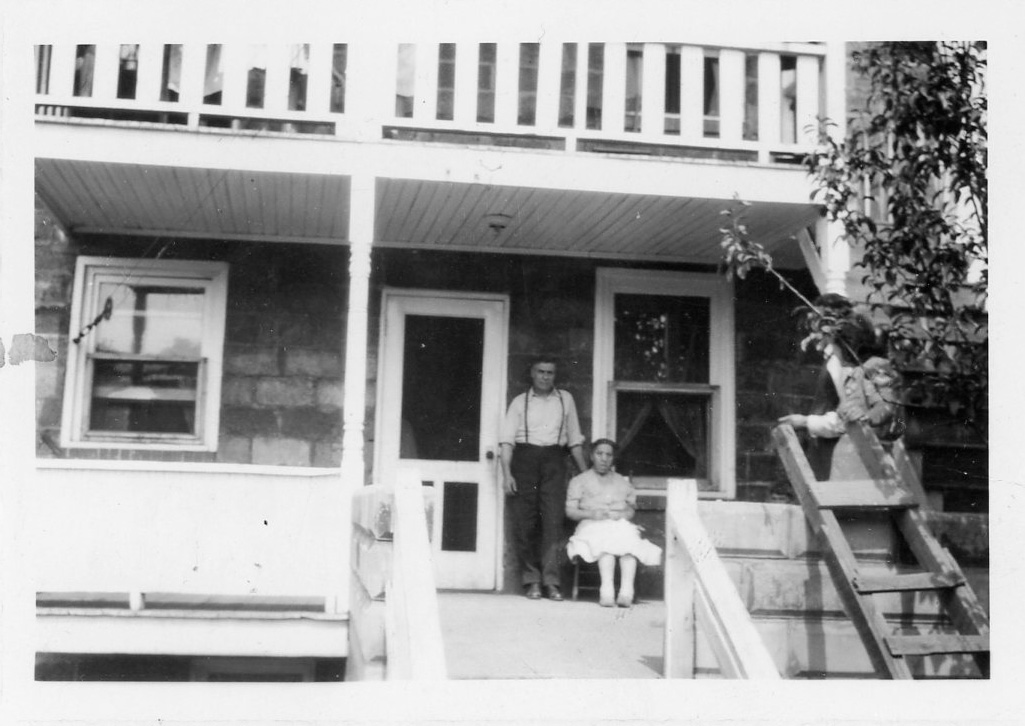
1942 Family Photo
Cobb County, Georgia
Artifact Description: The photograph shows the donor’s great-great-aunt Mabel and great-great-uncle, on the front porch of their Washington, DC, home in 1942, with their rocking chair that was originally made in 1911. Over the years, the chair was carefully passed down through generations of the family. As family members relocated from Washington, DC, to Georgia, the chair traveled with them, remaining a treasured heirloom for more than a century.
Donated by: Meghan W. from Cobb County, Georgia
Collection Development: Meghan W., Georgia Southern University Pre-Service Teacher (ESOL Endorsement Program)
Central Georgia
Central Georgia, including Baldwin, Bibb, Butts, Clarke, Crawford, Houston, Jasper, Jones, Lamar, Monroe, Morgan, Newton, Oconee, Peach, Putnam, Twiggs, Walton, and Wilkinson counties, is shaped by river systems, college towns, and historic crossroads communities, where natural and historic sites from the Piedmont National Wildlife Refuge to the Ocmulgee Mounds National Historic Park exist alongside sites of agriculture, education, and the region’s civic and cultural life, with Mercer University in Macon serving as a long-standing academic and cultural institution.
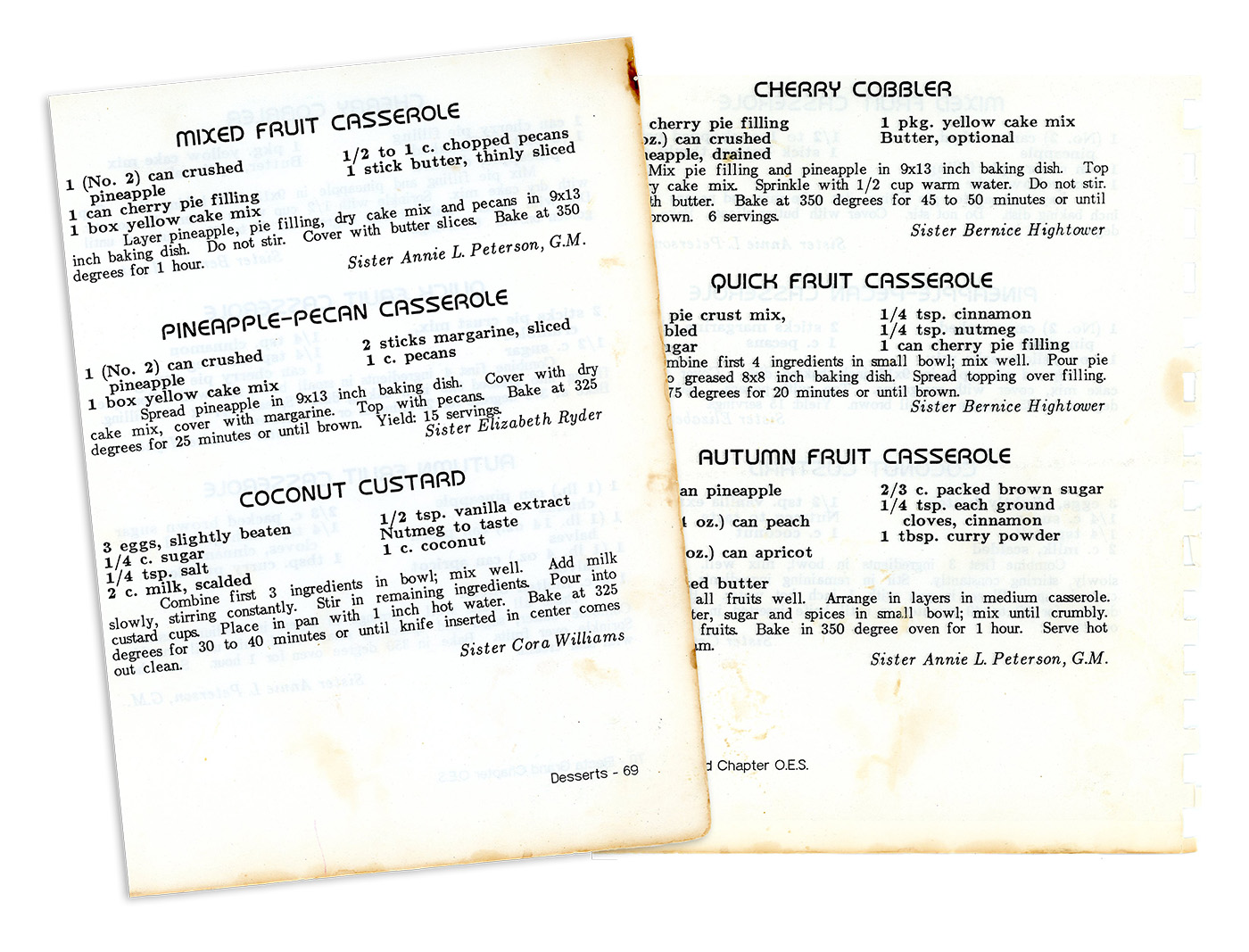
1987 Eastern Stars Cookbook Page
Bibb County, Georgia
Artifact Description: This is a page from a cookbook featuring recipes created by members of the Baldwin and Macon chapters of the Eastern Star in June 1987. The Eastern Star is a fraternal organization associated with Freemasonry that is open to both men and women and focuses on charity, community service, and moral values. The cookbook was donated by Tamara Wright, the granddaughter of Thelma F. Trice, a member and church mother.
Donated by: Tamara W. from Bibb County, Georgia
Collection Development: Yolanda H., Georgia Southern University Pre-Service Teacher (ESOL Endorsement Program)
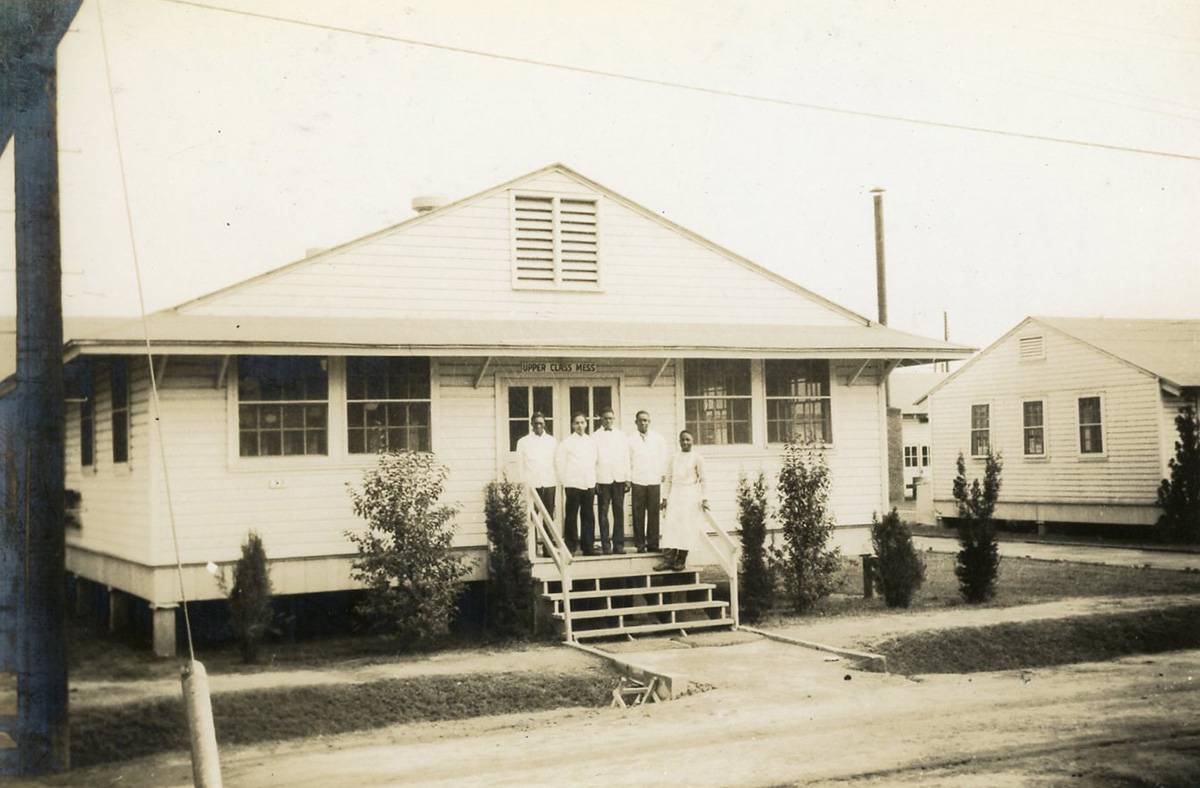
Cochran Army Airfield Mess Hall, 1942
Bibb County, Georgia
Artifact Description: This photograph shows five unidentified staff members of the upper class mess hall at Cochran Army Airfield. In 1942, the U.S. Army Air Forces operated a Basic Flying School at the airfield, which included standard military mess halls that served aviation cadets. The mess hall was staffed primarily by enlisted U.S. Army food service personnel and local civilian employees.
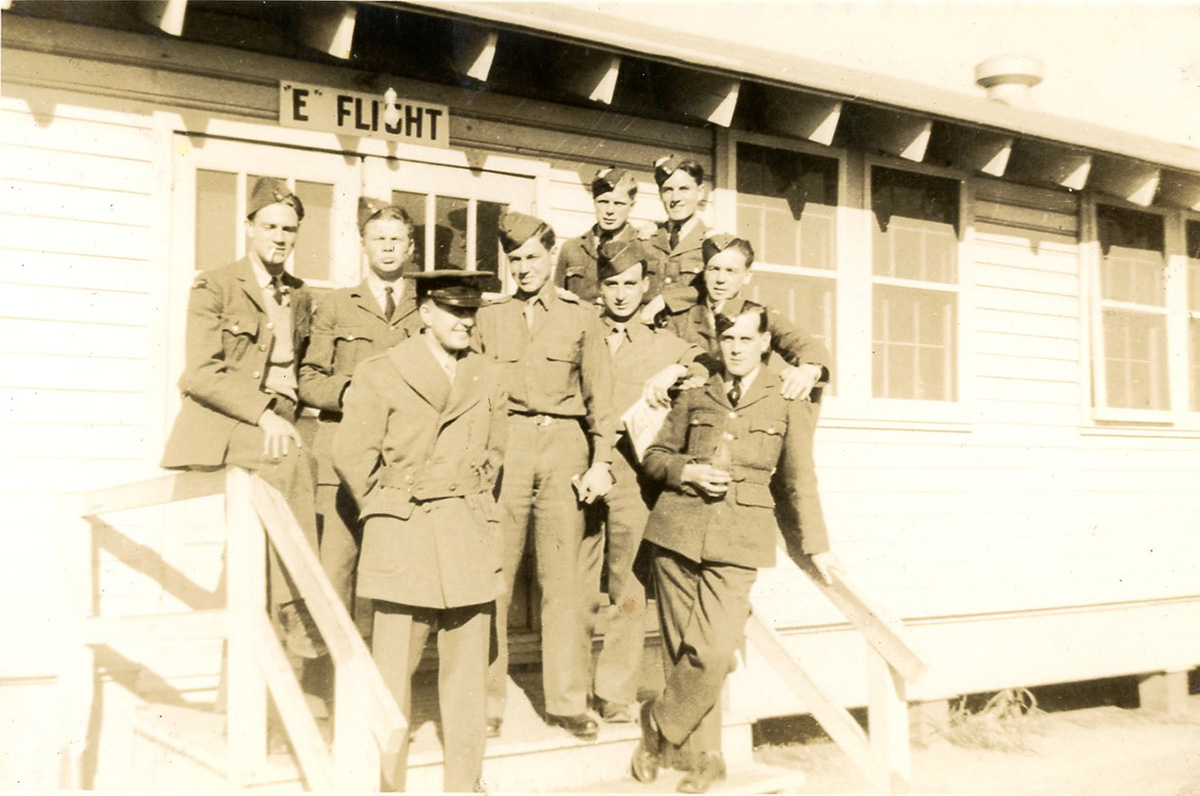
Outside the E Flight Building at Cochran Army Airfield, 1942
Bibb County, Georgia
Artifact Description: This photograph shows Jimmy Adey, Jo Etchells, Ron Aultland, Alan Barnes, Tafflinger, Durrine Eissen, Harold “Nehi” Broad, G.A. Bennett, and one unidentified person standing outside the E Flight Building at the Basic Flying School at Cochran Army Airfield, which was operated by the U.S. Army Air Forces.
East Georgia
East Georgia, including Burke, Columbia, Emanuel, Glascock, Greene, Hancock, Jefferson, Jenkins, Johnson, Lincoln, McDuffie, Oglethorpe, Richmond, Taliaferro, Warren, Washington, and Wilkes counties, is shaped by agricultural landscapes and historic towns, cultural attractions like the Morris Museum of Art and the Augusta Riverwalk, farming, local industry, and the region’s enduring civic and cultural traditions.
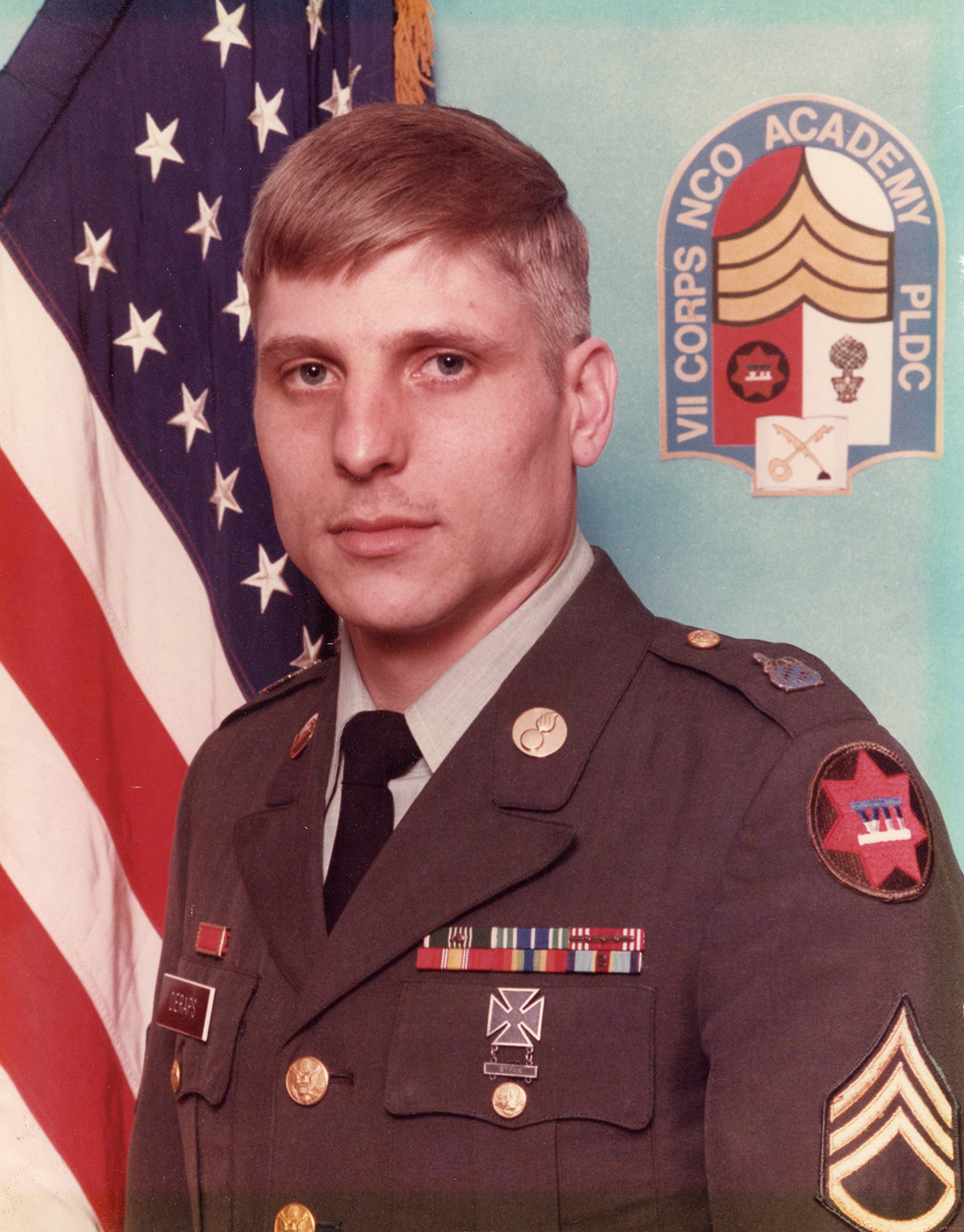
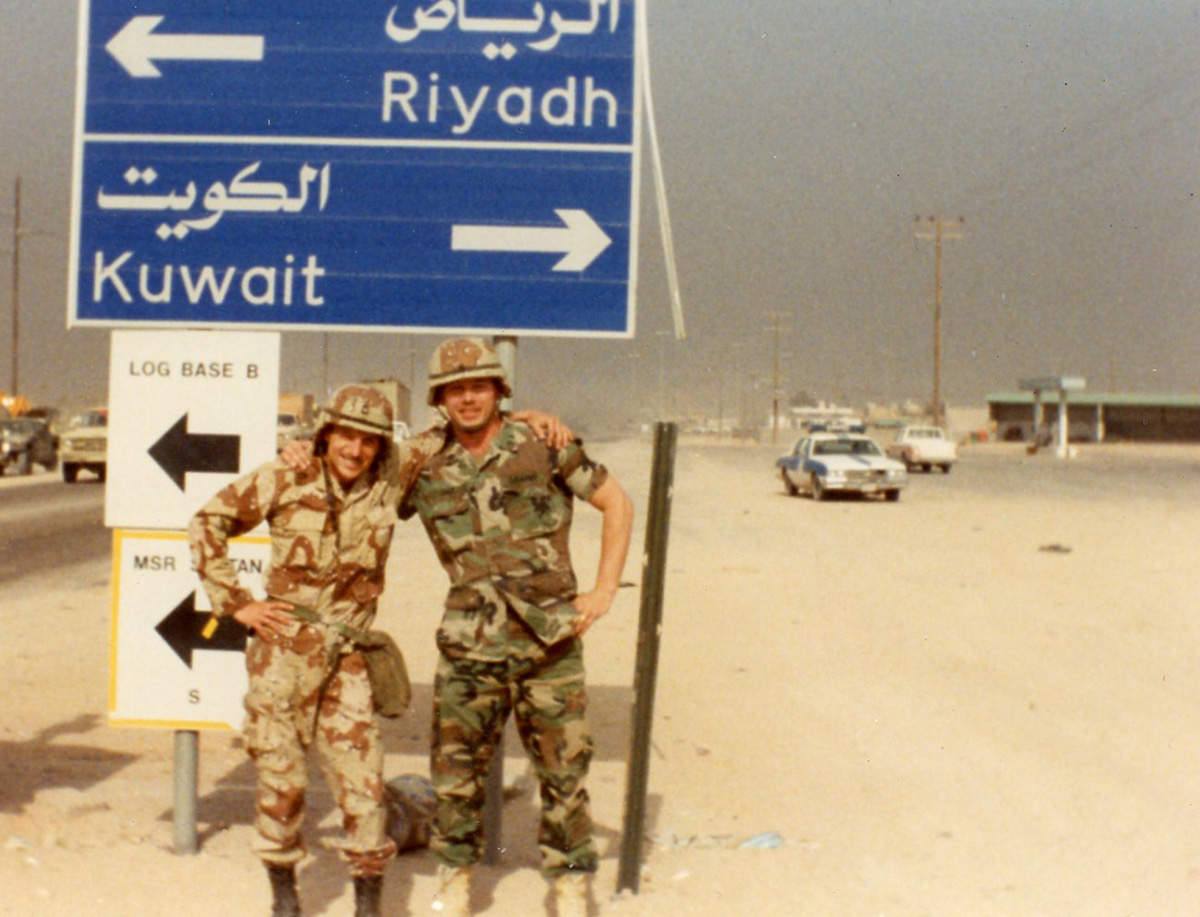
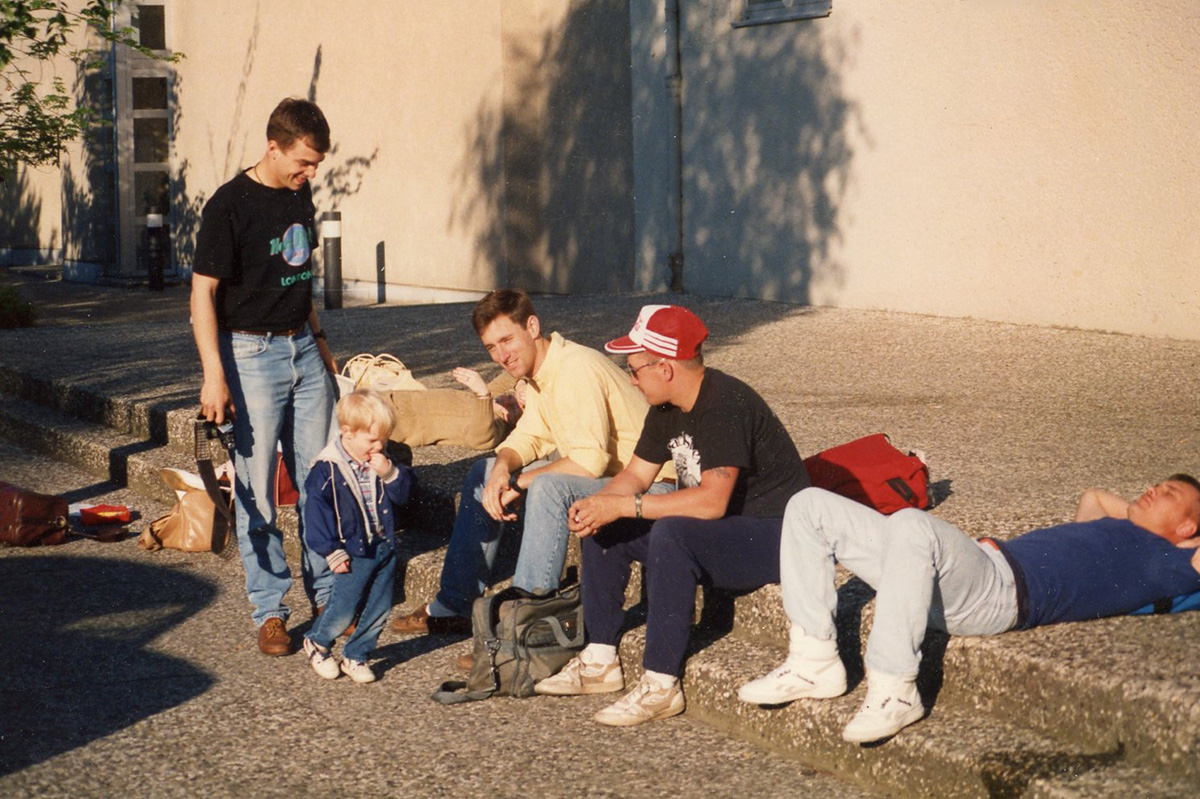
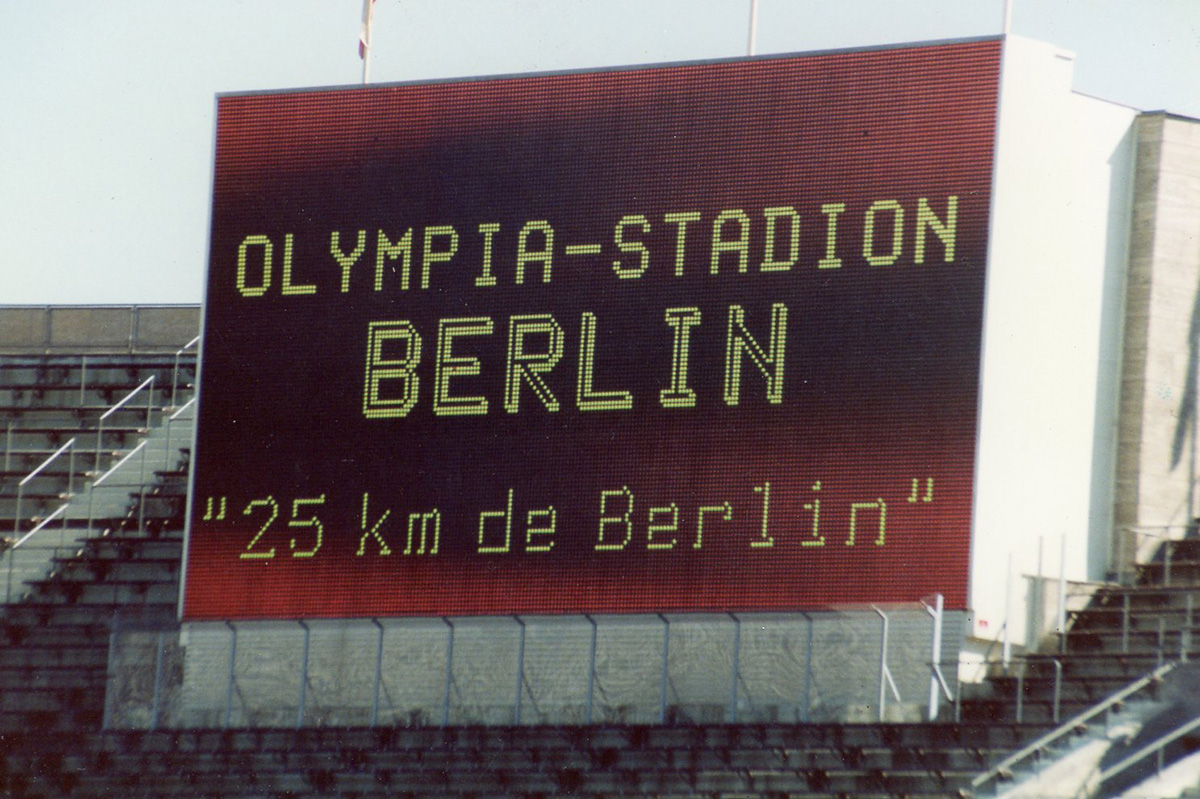
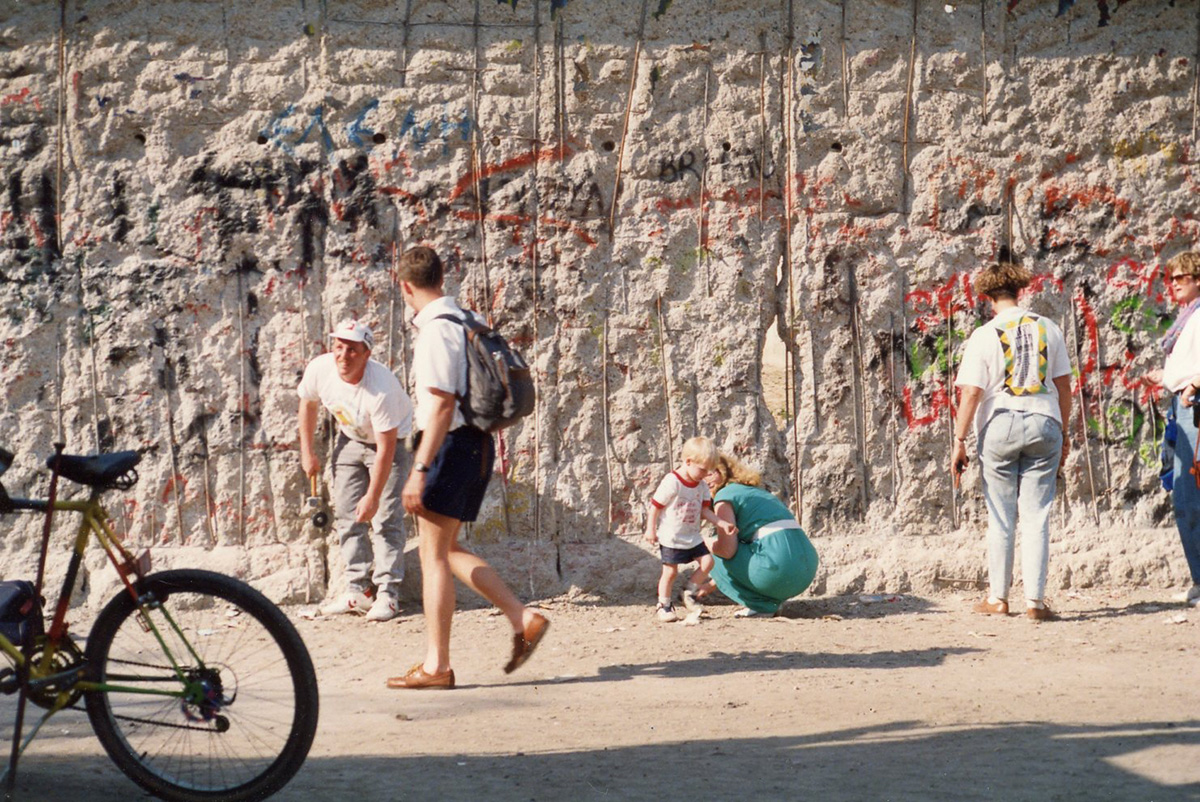
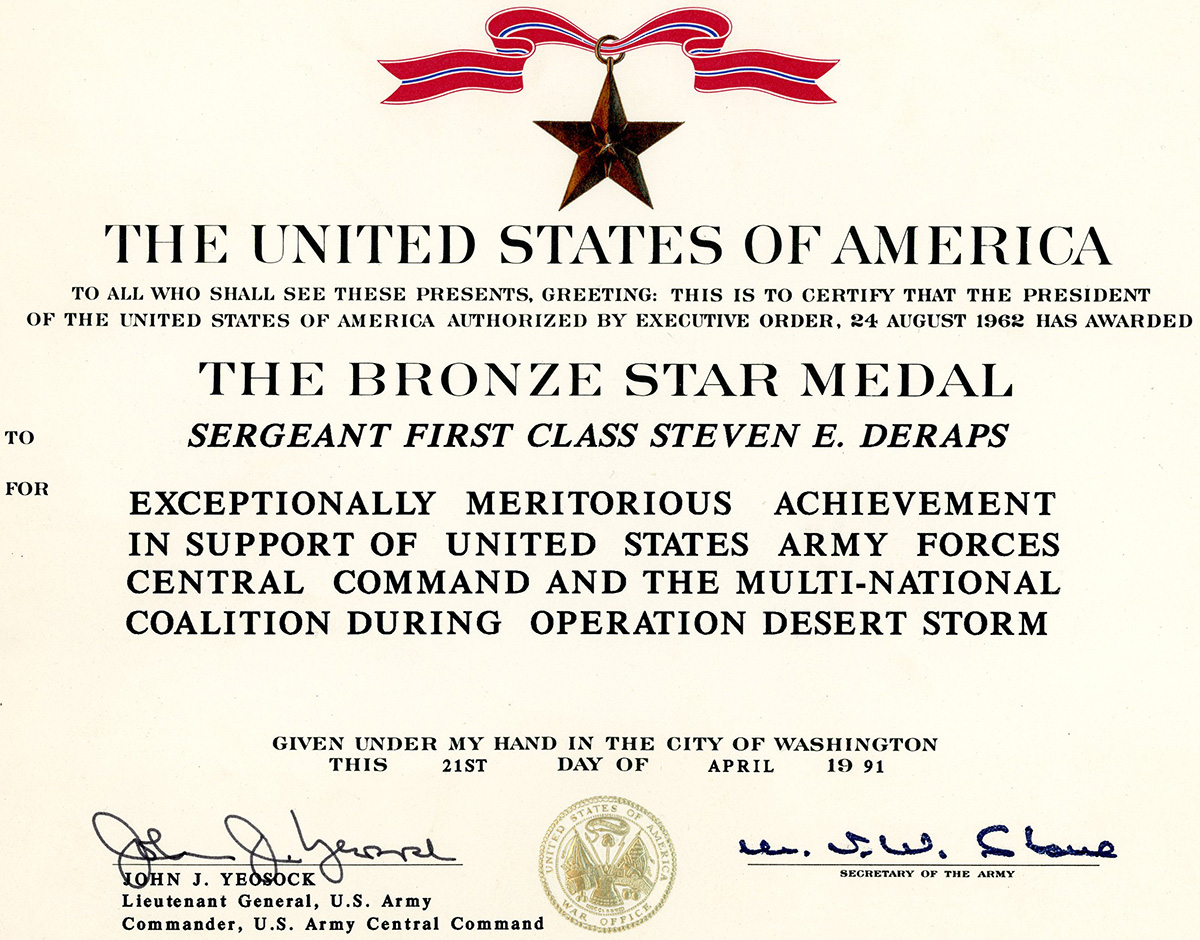
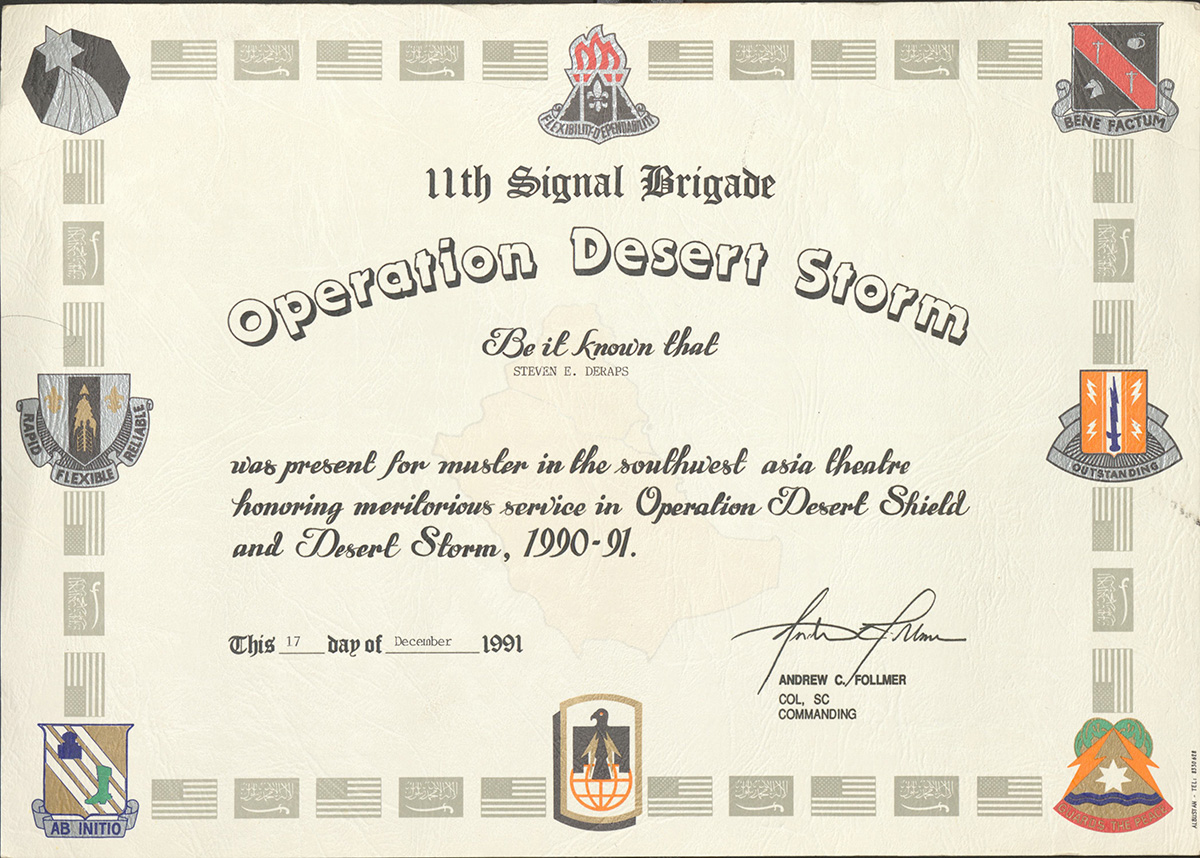
Steven E. DeRaps – Veteran
Emanuel County, Georgia
Collection Description: This collection highlights the military service of Stephen Edward DeRaps, who served in the United States Army for more than twenty years from the Vietnam era through the early 1990s. The interview and collection materials document his assignments in Germany, Korea, Fort Carson, Fort Polk, and Fort Gordon, as well as his deployment to Saudi Arabia and Iraq during the Gulf War. DeRaps reflects on the importance of leadership, resilience, faith, and the bonds formed through military service while also discussing the challenges veterans face during their transition to civilian life.
Donated by: Steven E. DeRaps from Emanuel County, Georgia
Collection Development: Veterans at the Library, Inc.
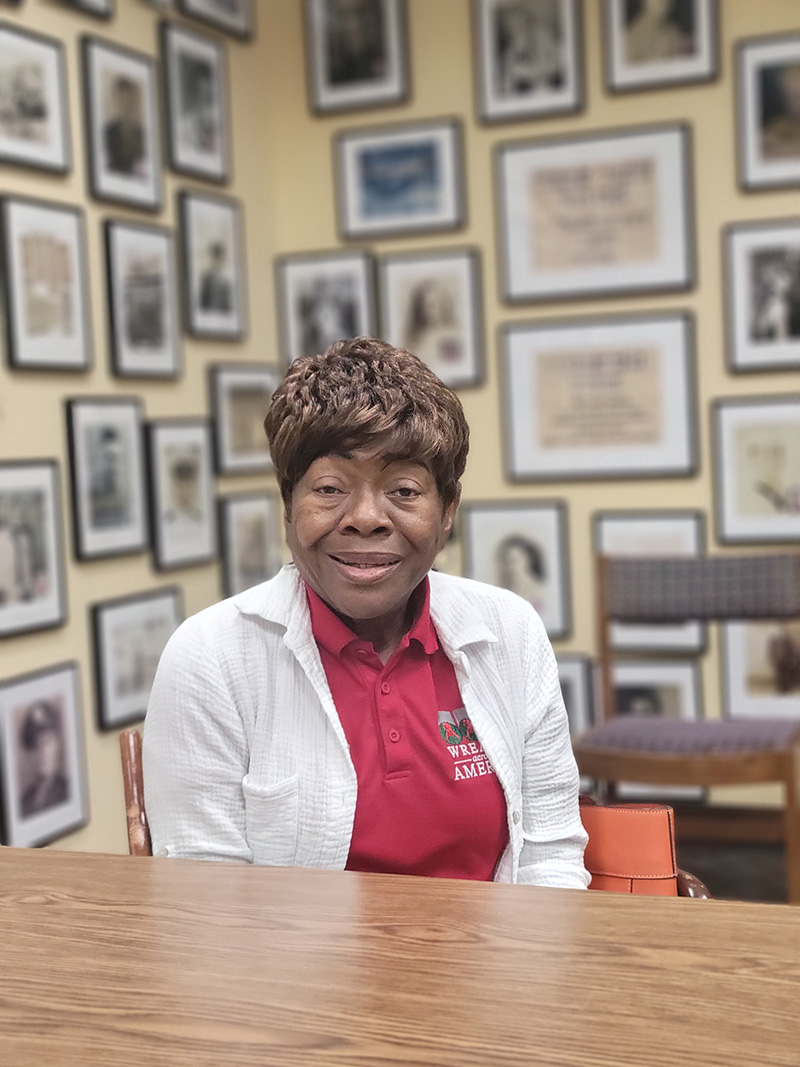
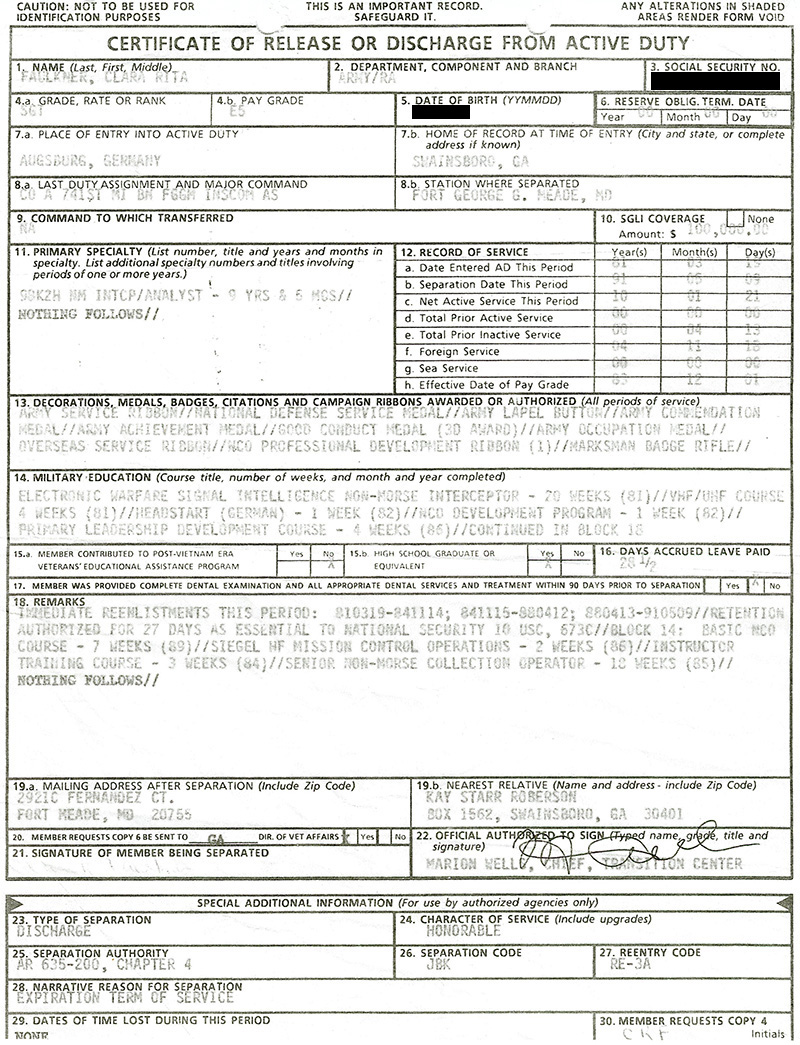
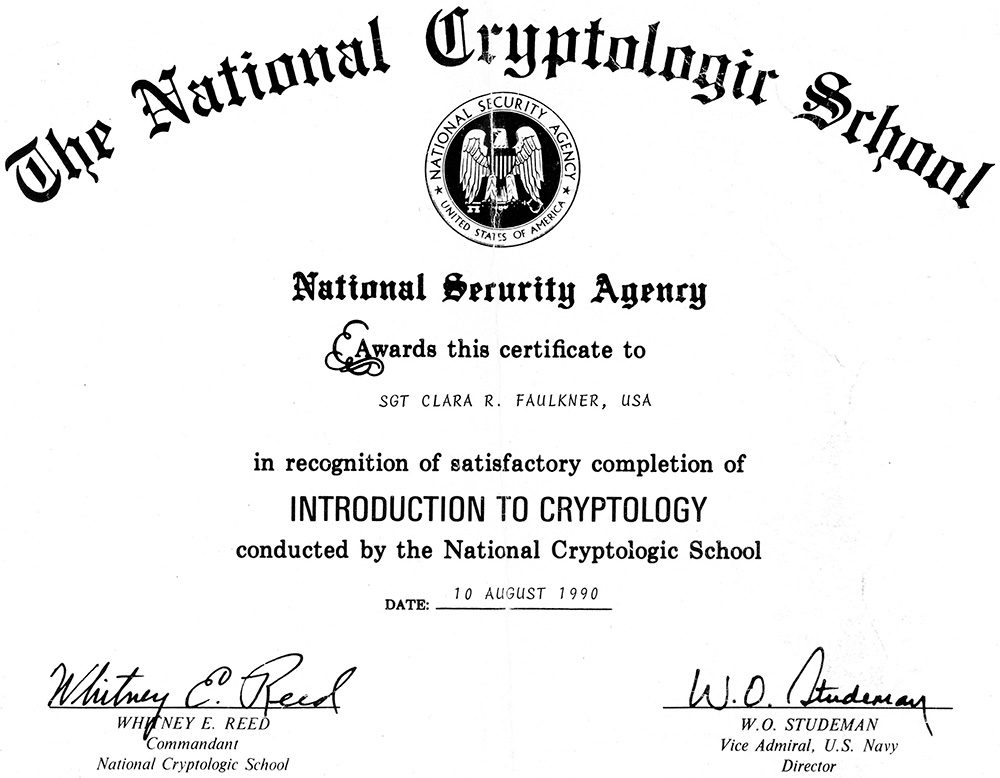
Rita Faulkner – Veteran
Emanuel County, Georgia
Collection Description: This collection highlights the military service of Clara Rita Faulkner, who enlisted in the United States Army and served in Military Intelligence during the Cold War. The interview and collection materials document her experiences in basic training at Fort Jackson, her assignment at Field Station Berlin, and her later service as an instructor in Pensacola, Florida. Faulkner reflects on the discipline, resilience, and personal growth gained through military service while emphasizing the lasting value of veteran benefits and honoring those who served in hazardous roles.
Donated by: Rita Faulkner from Emanuel County, Georgia
Collection Development: Veterans at the Library, Inc.
West Georgia
West Georgia, including Chattahoochee, Coweta, Crisp, Dooly, Harris, Heard, Macon, Marion, Meriwether, Muscogee, Pike, Schley, Spalding, Stewart, Sumter, Talbot, Taylor, Troup, Upson, and Webster counties, is shaped by river valleys, agricultural lands, and historic towns along the Chattahoochee River corridor, where everyday moments reflect enduring connections to farming, industry, and the region’s long-standing community traditions, from Callaway Gardens to the Little White House, with Columbus State University anchoring education in Columbus.
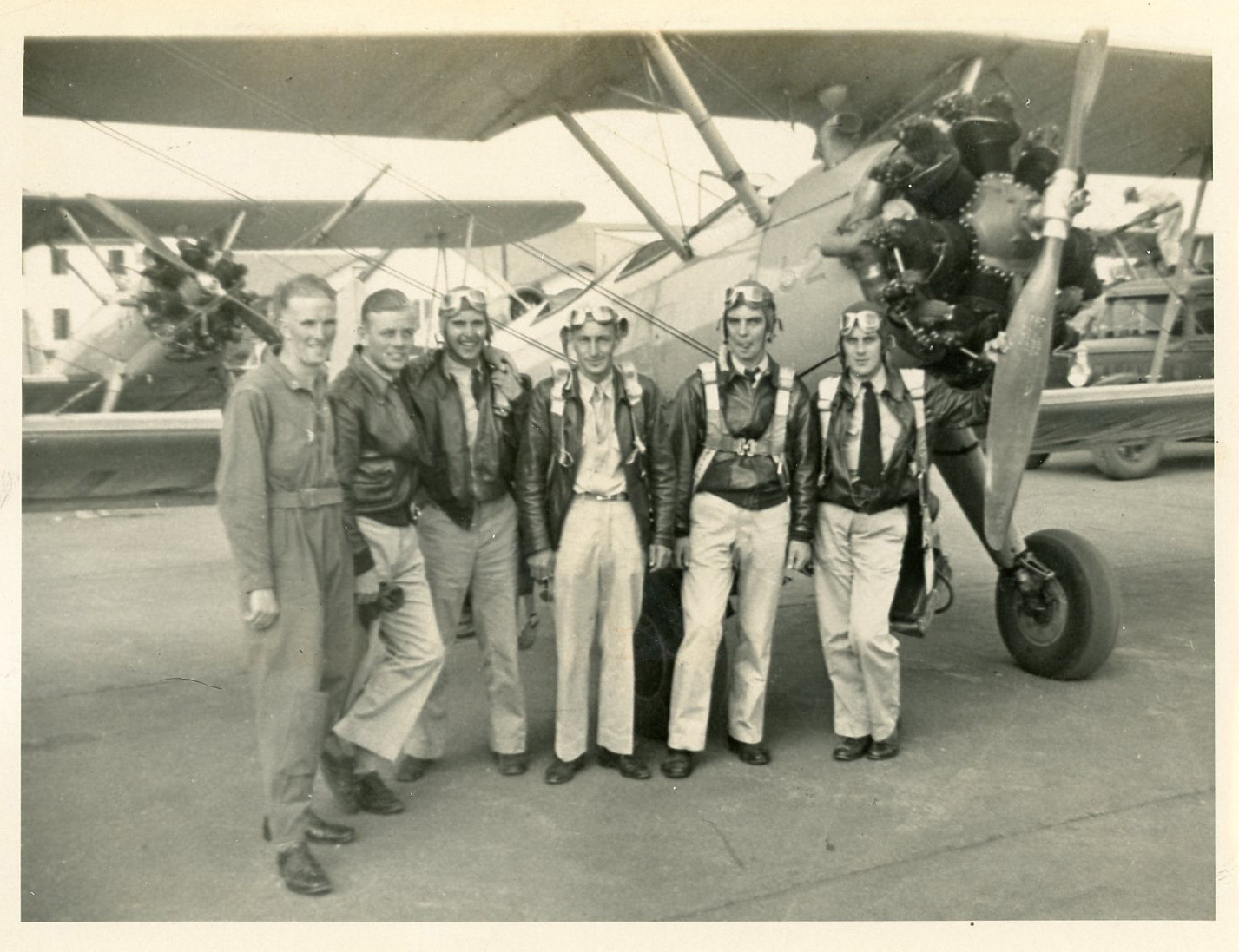
Primary Flight Training at Souther Field, 1942
Sumter County, Georgia
Collection Description: This photograph shows Murray, Smithy, Rolly, Mr. Harris, Ecky, and G.A. Bennett at Primary School at Souther Field. Established during World War I as a military training airfield, Souther Field was one of 32 Air Service training camps created after the United States entered the war in 1917. Named in honor of Major Henry Souther, the airfield logged more flying hours than any other U.S. Army airfield during the war.
Southeast Georgia
Southeast Georgia, including Appling, Atkinson, Bacon, Ben Hill, Bleckley, Bulloch, Candler, Coffee, Dodge, Evans, Irwin, Jeff Davis, Laurens, Long, Montgomery, Pulaski, Screven, Tattnall, Telfair, Toombs, Treutlen, Wayne, Wheeler, and Wilcox counties, is shaped by coastal plains, pine forests, and agricultural communities, where everyday moments reflect enduring connections to farming, timber, and the region’s rural traditions, with Georgia Southern University in Statesboro serving as a major educational center.
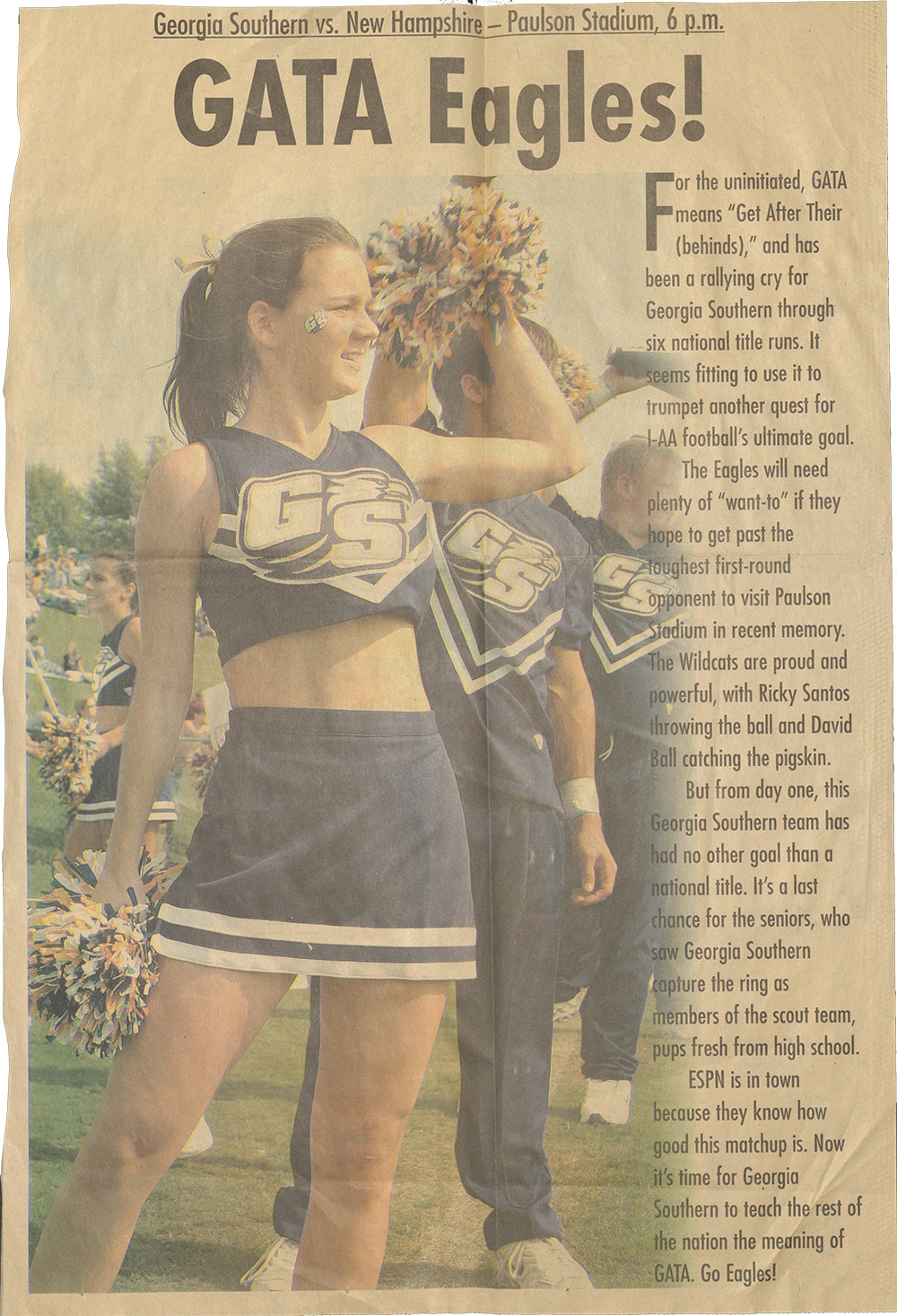
2000 Georgia Southern Advertisement
Bulloch County, Georgia
Artifact Description: This Georgia Southern promotional poster, featured in a newspaper, highlights the iconic phrase “GATA” (“Get After Their Asses”), coined by Erk Russell in 1983 when he began building the football program from the ground up. The poster advertises a matchup between Georgia Southern and the University of New Hampshire at Paulson Stadium, reflecting the strong traditions and spirit surrounding Georgia Southern football.
Donated by: Drew F. from Bulloch County, Georgia
Collection Development: Caleb R., Georgia Southern University Pre-Service Teacher (ESOL Endorsement Program)
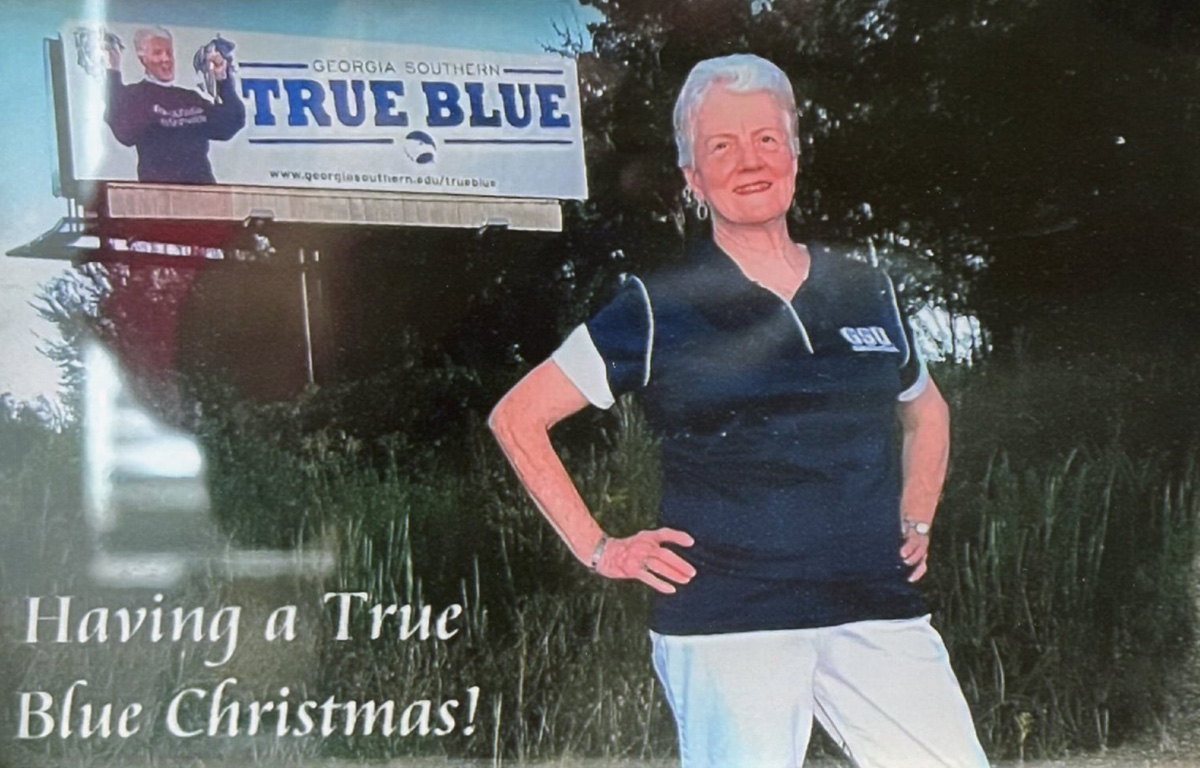
2007 Christmas Card
Bulloch County, Georgia
Artifact Description: This is a Christmas card featuring Georgia Southern (formerly Georgia Teachers College) alumna Helen Jackie Yates, who was born and raised in Statesboro, GA and attended the college in the 1950s. During her time as a student she was an avid basketball fan and kept score for the men's games before they had a women's team. She has volunteered her time to be interviewed for local magazines and taken photos promoting the university.
Donated by: Helen Y. from Bulloch County, Georgia
Collection Development: Sydney D., Georgia Southern University Pre-Service Teacher (ESOL Endorsement Program)
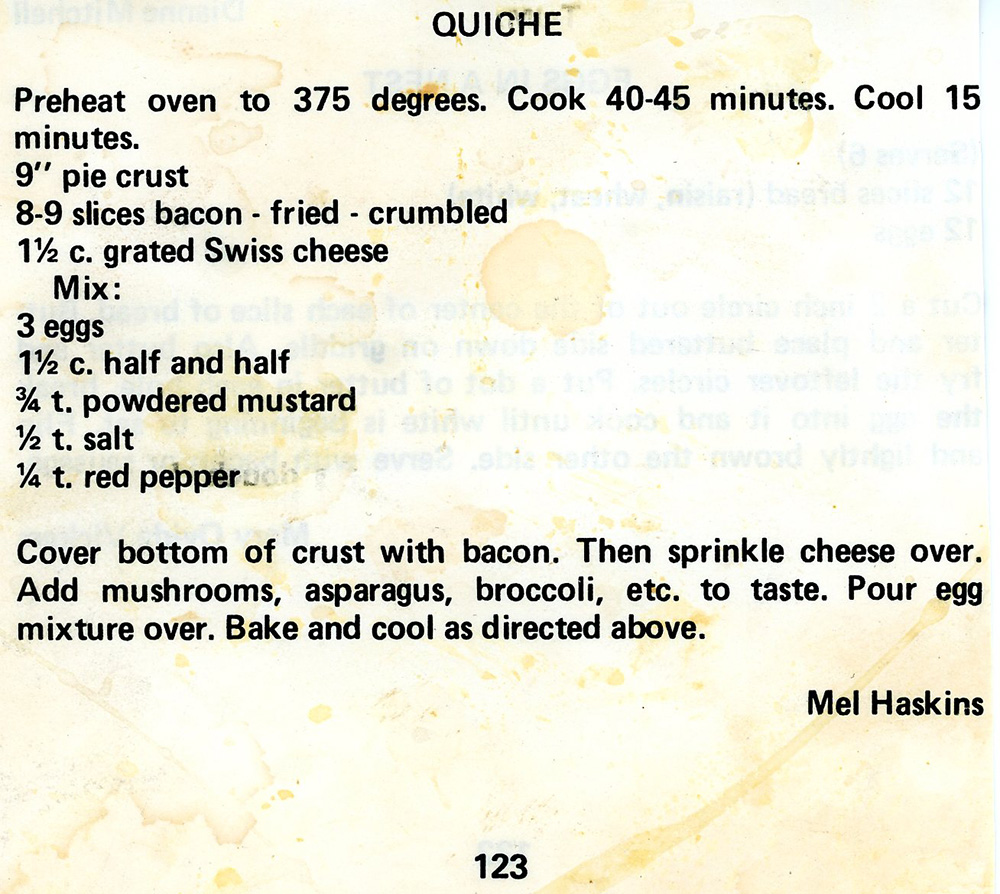
1983 Recipe
Coffee County, Georgia
Artifact Description: This is a recipe from a cookbook partially authored by the donor, Mel McCranie, in Douglas, Georgia. Mel worked as an X-ray technologist at Coffee Regional Medical Center. Along with her friends and other women in the Douglas Golf and Country Club Ladies Auxiliary, she helped put the book together as a fundraiser. They collected recipes from local women, typed them up themselves, and had the cookbook printed in 1983.
Donated by: Mel M. from Coffee County, Georgia
Collection Development: Ella D., Georgia Southern University Pre-Service Teacher (ESOL Endorsement Program)
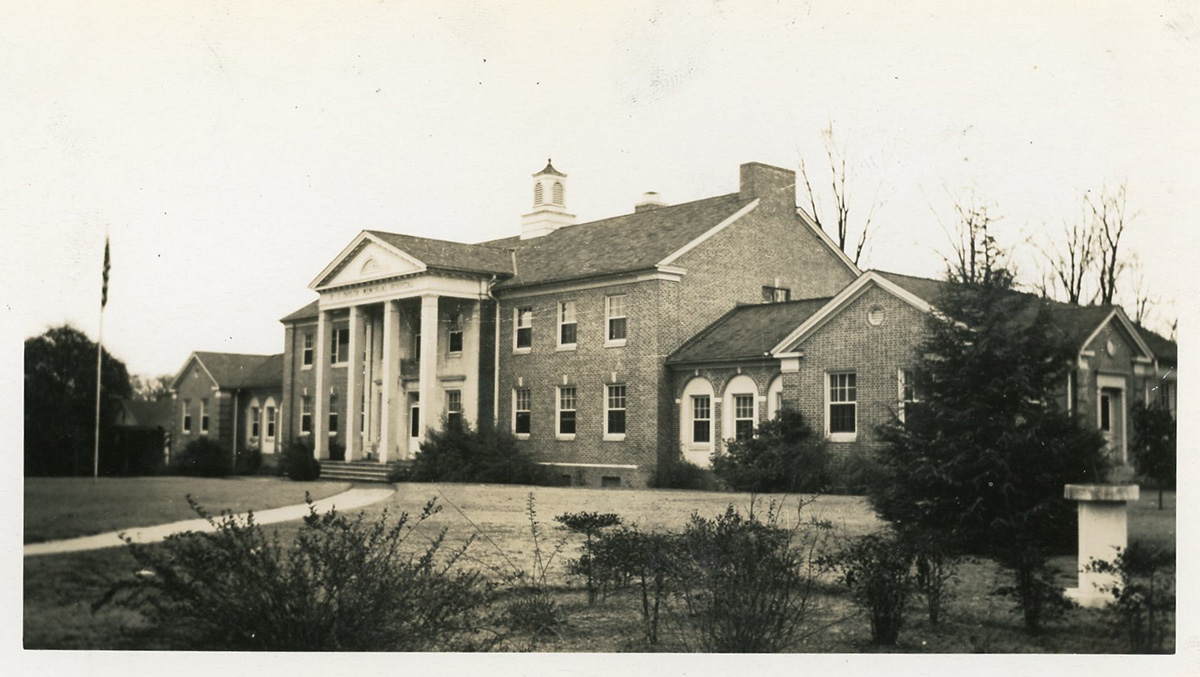
R.J. Taylor Memorial Hospital, 1942
Pulaski County, Georgia
Description: This photograph shows the R.J. Taylor Memorial Hospital in 1942. Funded by a $100,000 donation from local businessman Robert Jenks Taylor, the hospital opened in 1938 to improve access to medical care for rural Georgians. Over its four decades of service, the hospital reflected major changes in healthcare practices and treatment standards, as well as shifting approaches to patient care. In 1968, it transitioned from segregated facilities to a fully integrated hospital.
Southwest Georgia
Southwest Georgia, including Baker, Berrien, Brooks, Calhoun, Clay, Clinch, Colquitt, Cook, Decatur, Dougherty, Early, Echols, Grady, Lanier, Lee, Lowndes, Miller, Mitchell, Quitman, Randolph, Seminole, Terrell, Thomas, Tift, Turner, and Worth counties, is shaped by fertile farmland, river valleys, and agricultural communities, where everyday moments reflect enduring connections to farming and local industry, with Albany serving as a key cultural and commercial hub.
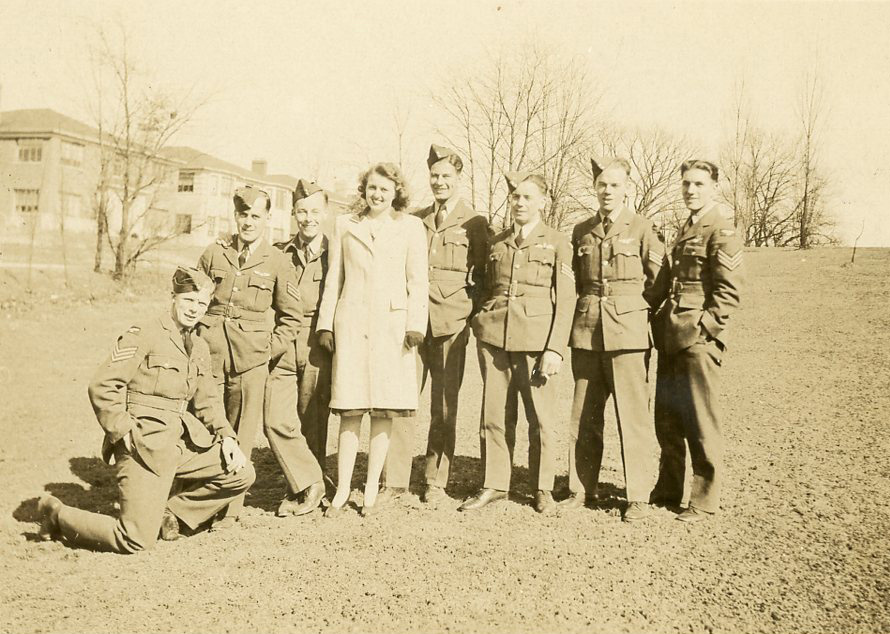
Advanced Pilot Training at Moody Field, 1942
Lowndes County, Georgia
Description: This photograph shows eight unidentified members of the Moody Field Advanced Pilot Training School. Established in early 1942 in Lowndes County, Georgia, the school was a U.S. Army Air Corps training base during World War II. It officially opened in February 1942, where thousands of pilots trained on the twin-engine Beech AT-10 before the site later became what is now Moody Air Force Base.
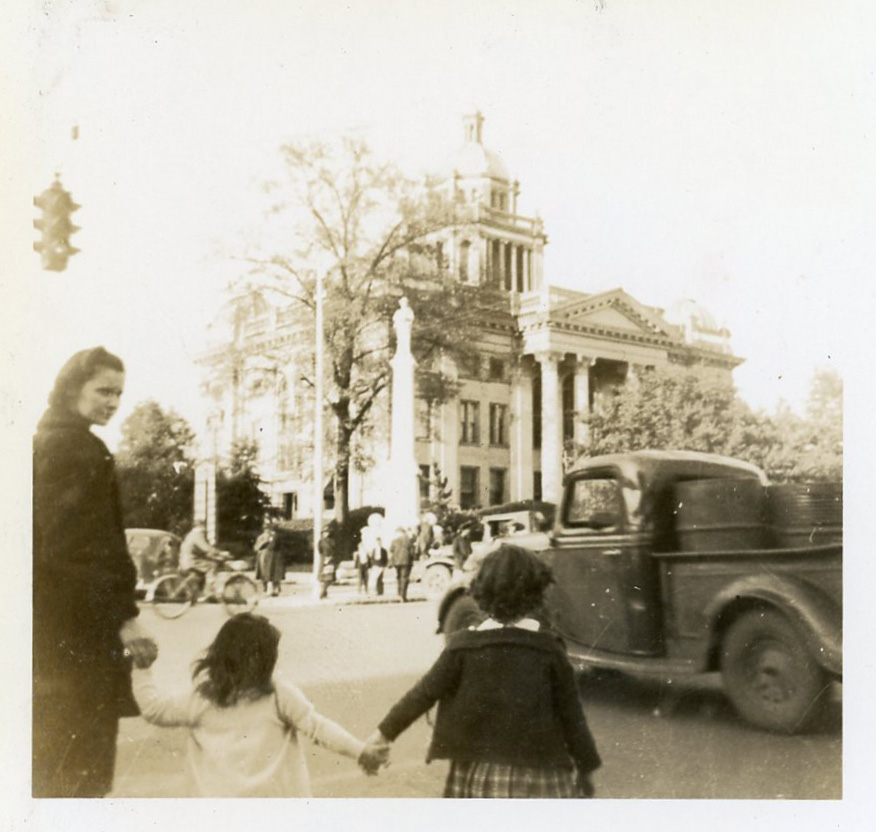
U.S. Post Office and Federal Courthouse, 1942
Lowndes County, Georgia
Description: This photograph shows the U.S. Post Office and Federal Courthouse in Valdosta, Georgia, in 1942. Built in 1910, the building served as a post office and federal courthouse until a new facility opened nearby in 1968. The City of Valdosta purchased and restored the structure in 1970, converting it into City Hall. After suffering major fire damage in an 1987 arson incident, it was restored again, and following renovations, it reopened for city use and continues to serve as Valdosta City Hall today.
Coastal Georgia
Coastal Georgia, including Brantley, Bryan, Camden, Charlton, Chatham, Effingham, Glynn, Liberty, McIntosh, Pierce, and Ware counties, is shaped by its barrier islands, marshlands, and historic port cities, where everyday moments reflect enduring connections to the coast, maritime life, and the region’s longstanding trade and cultural traditions, with First African Baptist Church recognized as one of the oldest continuously operating African-American Baptist congregations in the United States.
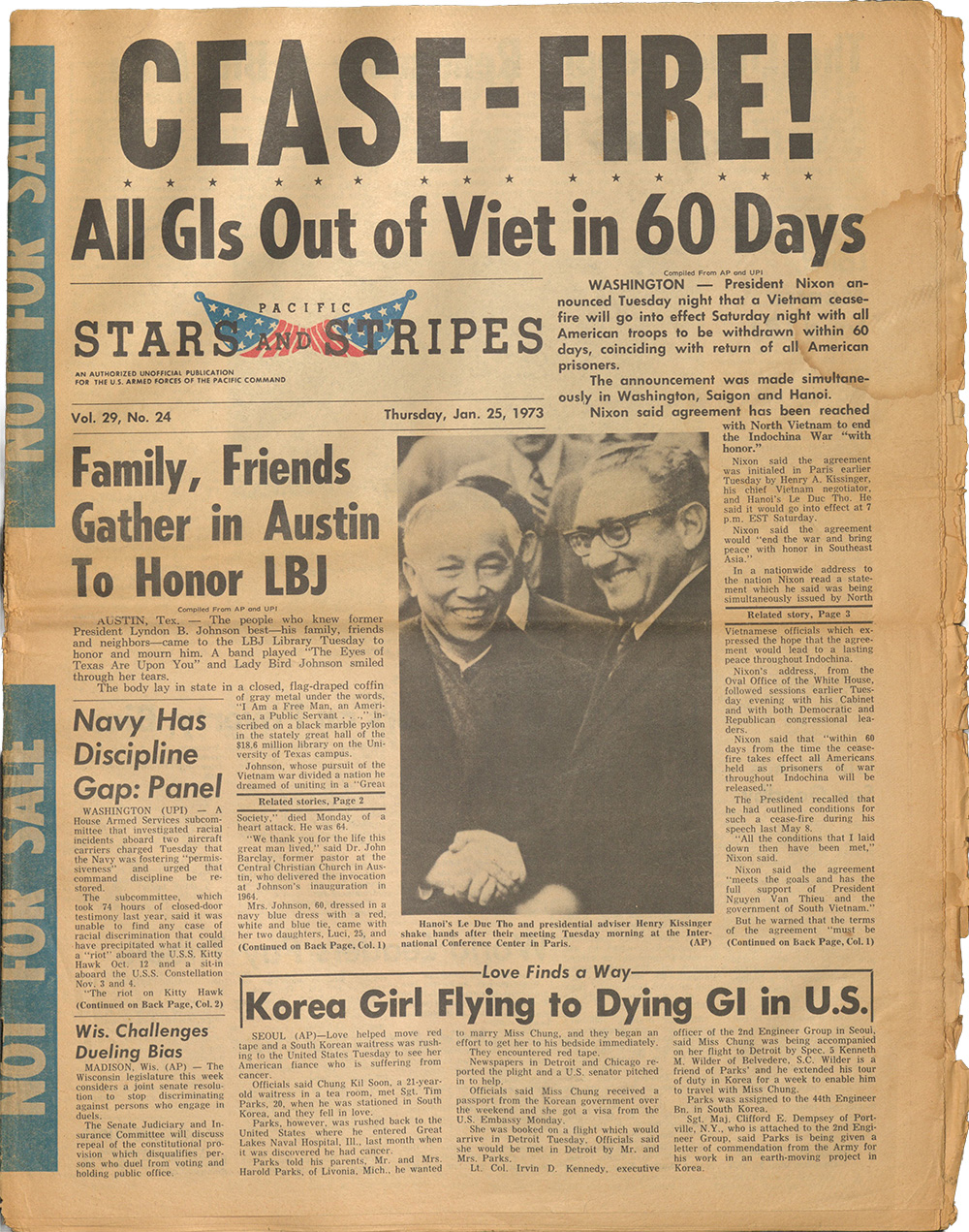
1973 Pacific Stars & Stripes Publication
Effingham County, Georgia
Artifact Description: This is a copy of the Pacific Stars and Stripes newspaper, Vol. 29, No. 24, published Thursday, January 25, 1973. It was owned by the donor’s father-in-law, Richard W. Roop, who was born on December 28, 1951, in Roanoke, Virginia. In February 1972, shortly after his twentieth birthday, he was deployed to Vietnam as a Specialist 4th Class in the U.S. Army and stationed with the 196th Infantry Brigade, F Troop, 8th U.S. Cavalry, at Marble Mountain Air Facility in Da Nang.
Donated by: Krista R. from Effingham County, Georgia
Collection Development: Krista R., Georgia Southern University Pre-Service Teacher (ESOL Endorsement Program)
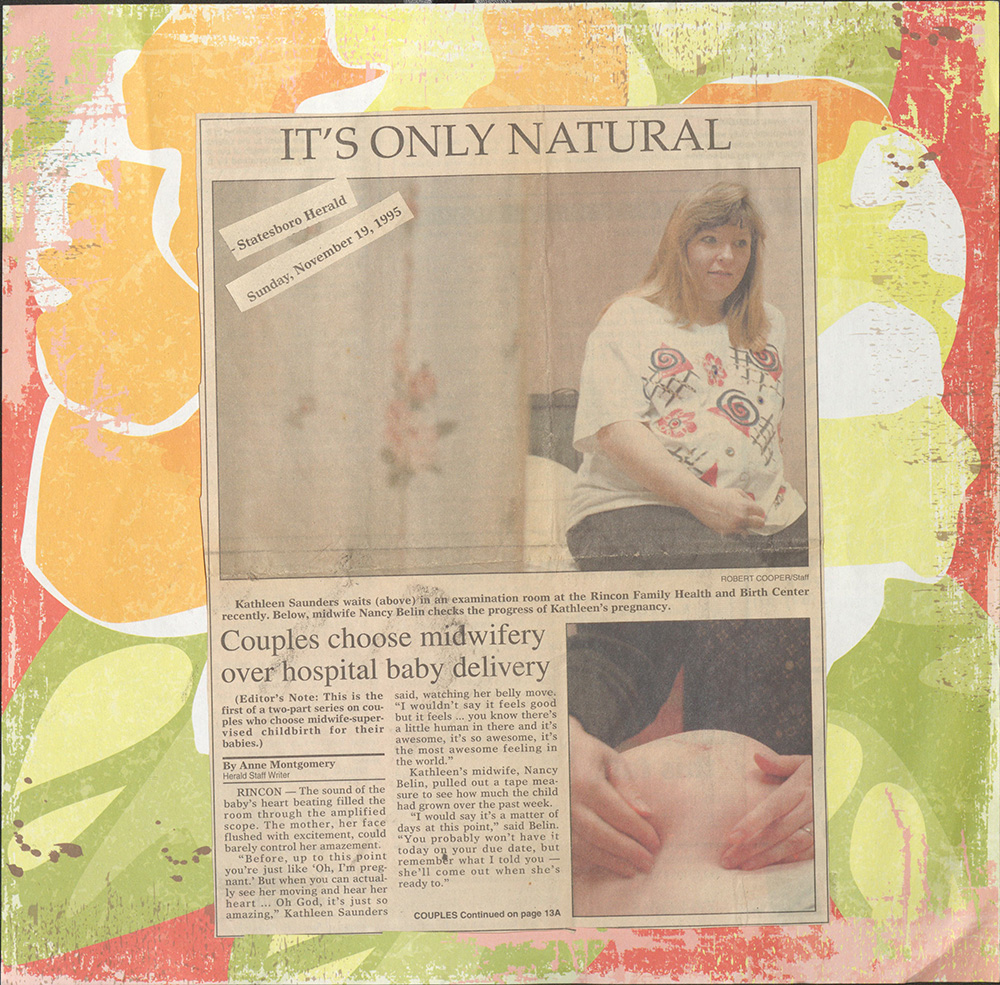
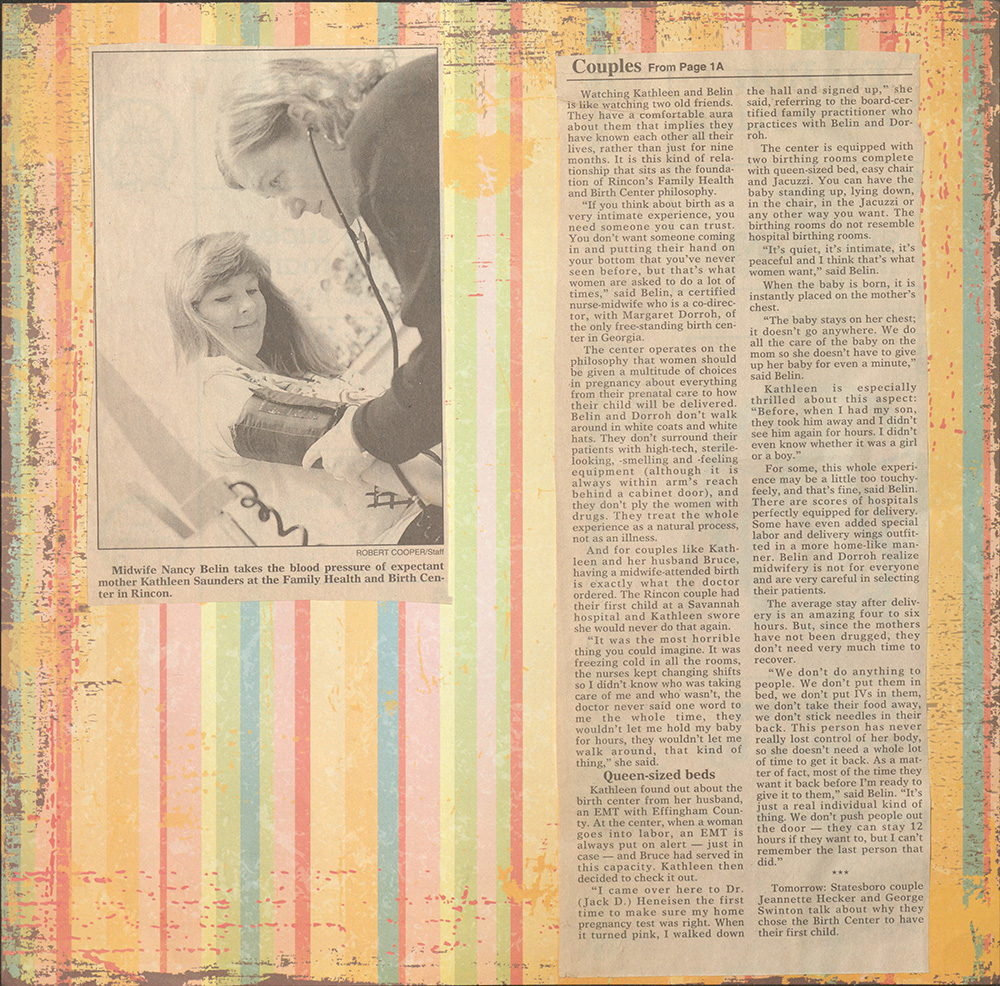
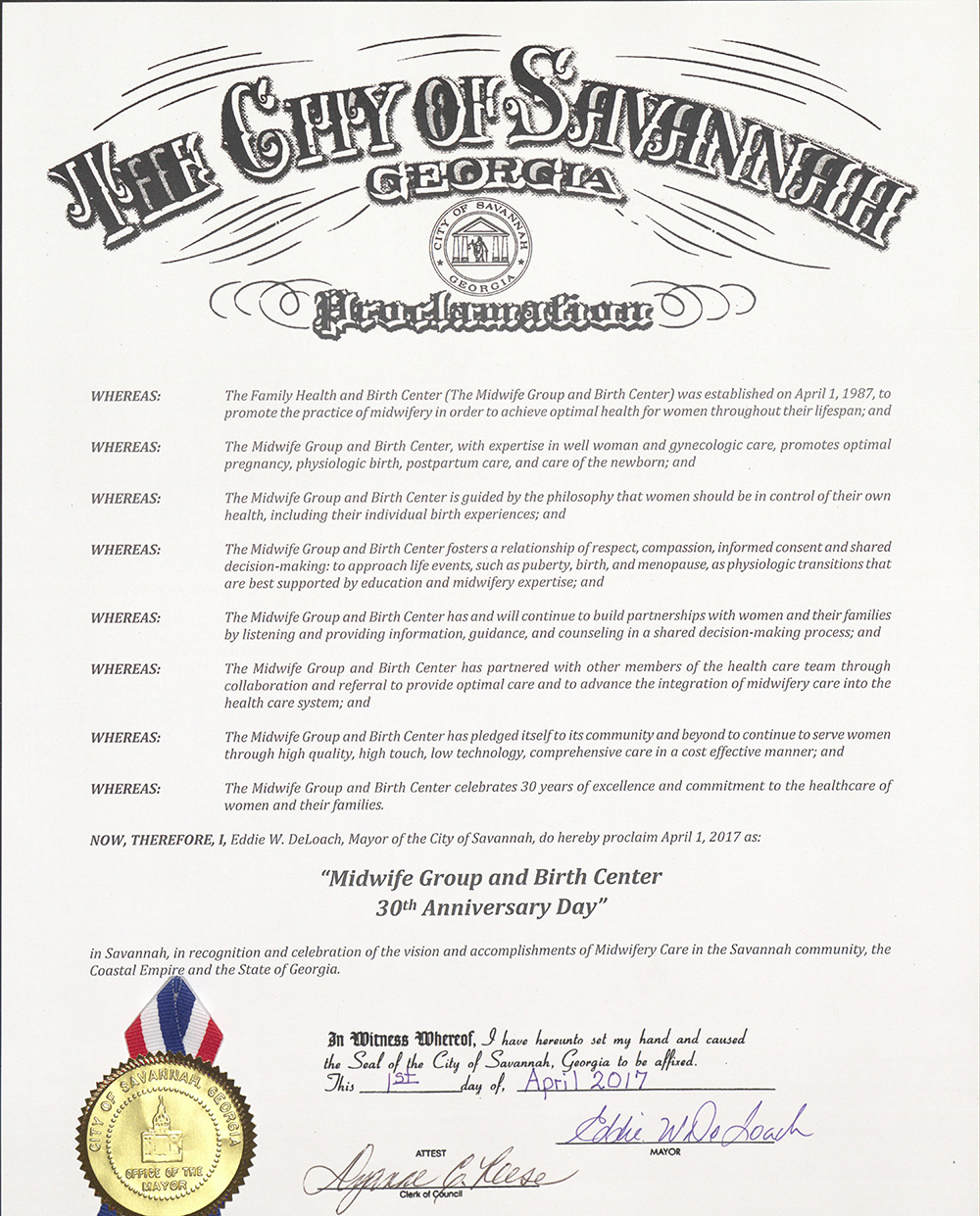
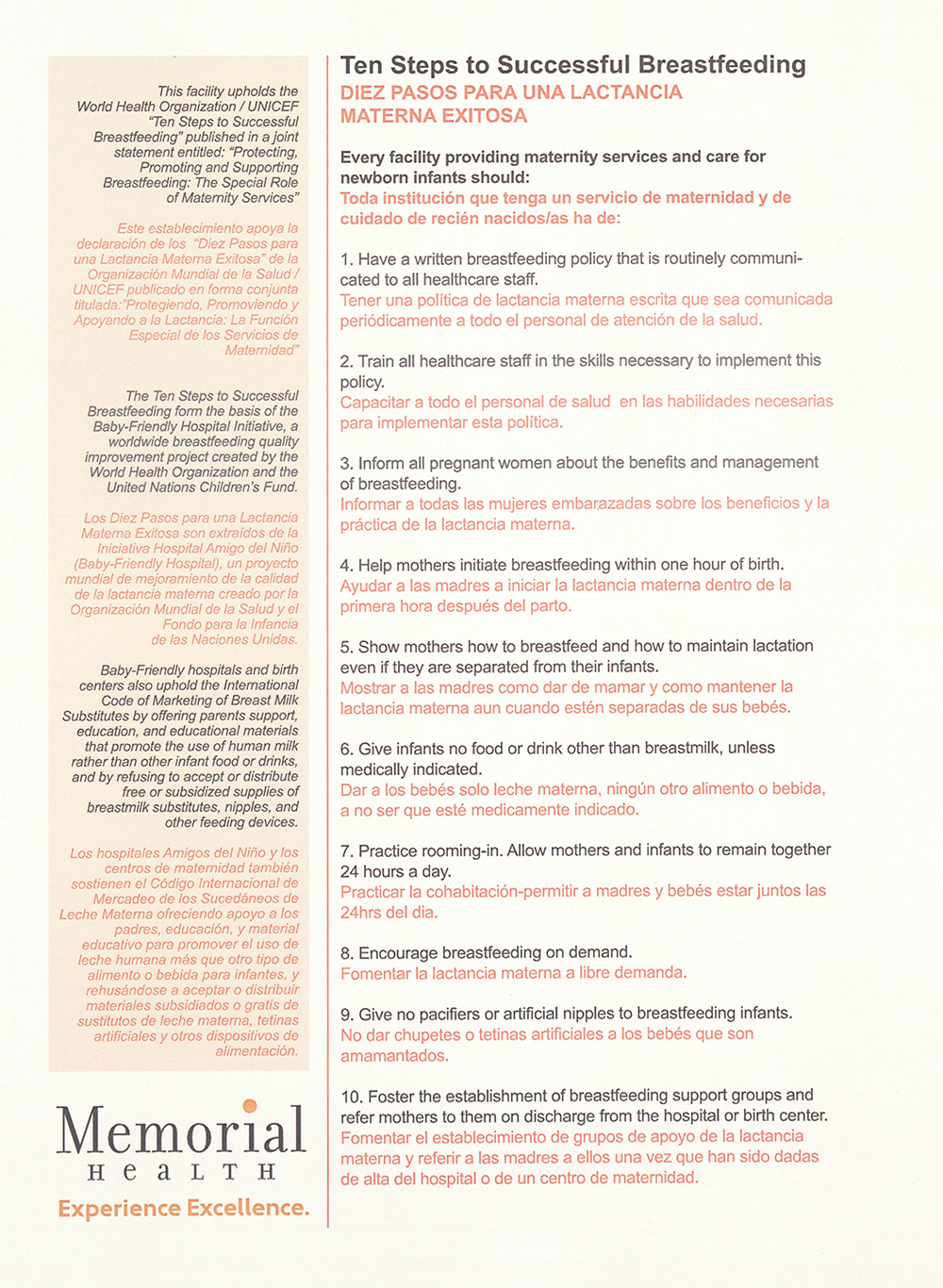
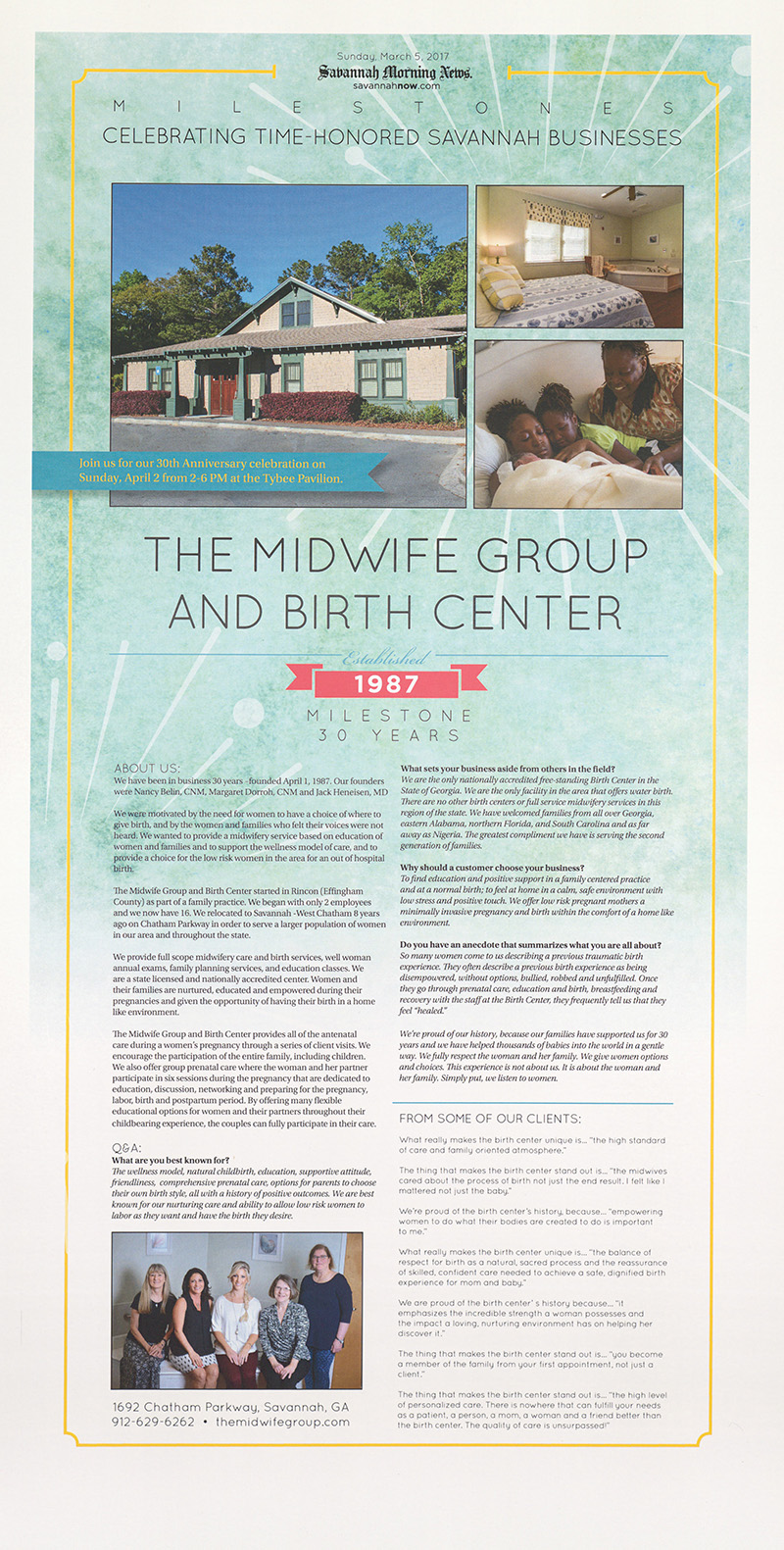
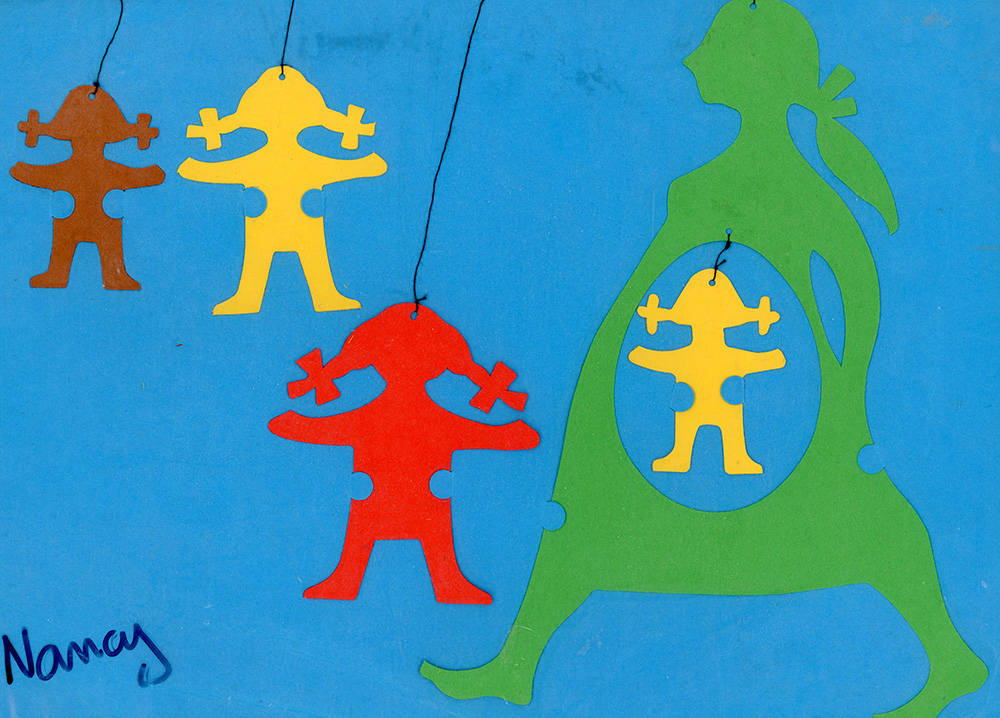
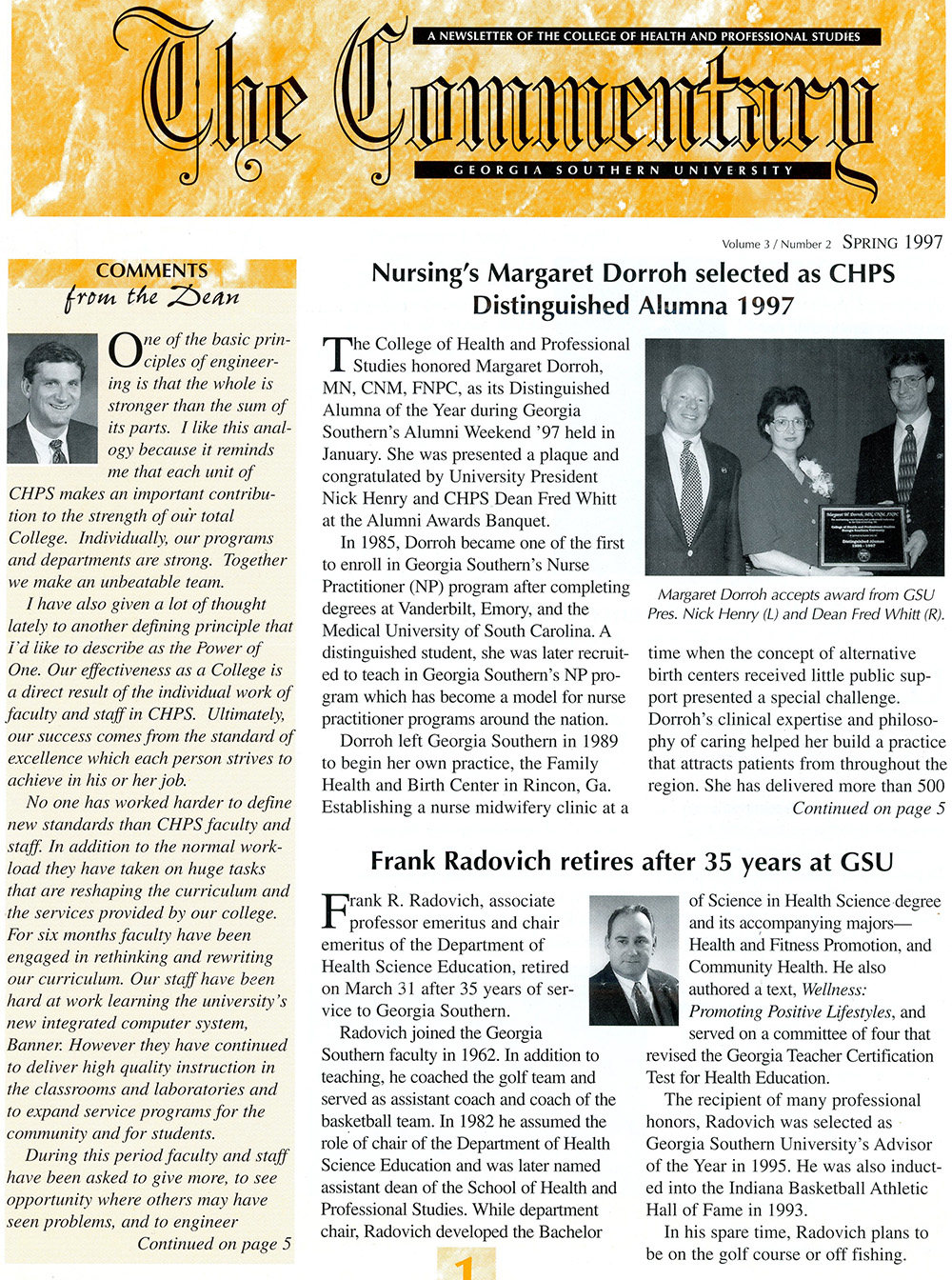
Family Health & Birth Center
Chatham County, Georgia
Collection Description: The Family Health and Birth Center Collection documents nearly four decades of community-based maternal healthcare in the coastal region, founded in 1989 by nurse midwife Margaret Dorroh in Rincon, Georgia. The collection highlights the center’s pioneering role as a nurse midwifery clinic and, later, as Savannah Birth and Wellness Center, one of Georgia’s only freestanding birth centers providing prenatal care, deliveries, and women’s health services outside of a hospital setting.
Donated by: Heidi Longenberger from Chatham County, Georgia
Collection Development: Madison R., Georgia Southern University Pre-Service Teacher (ESOL Endorsement Program)
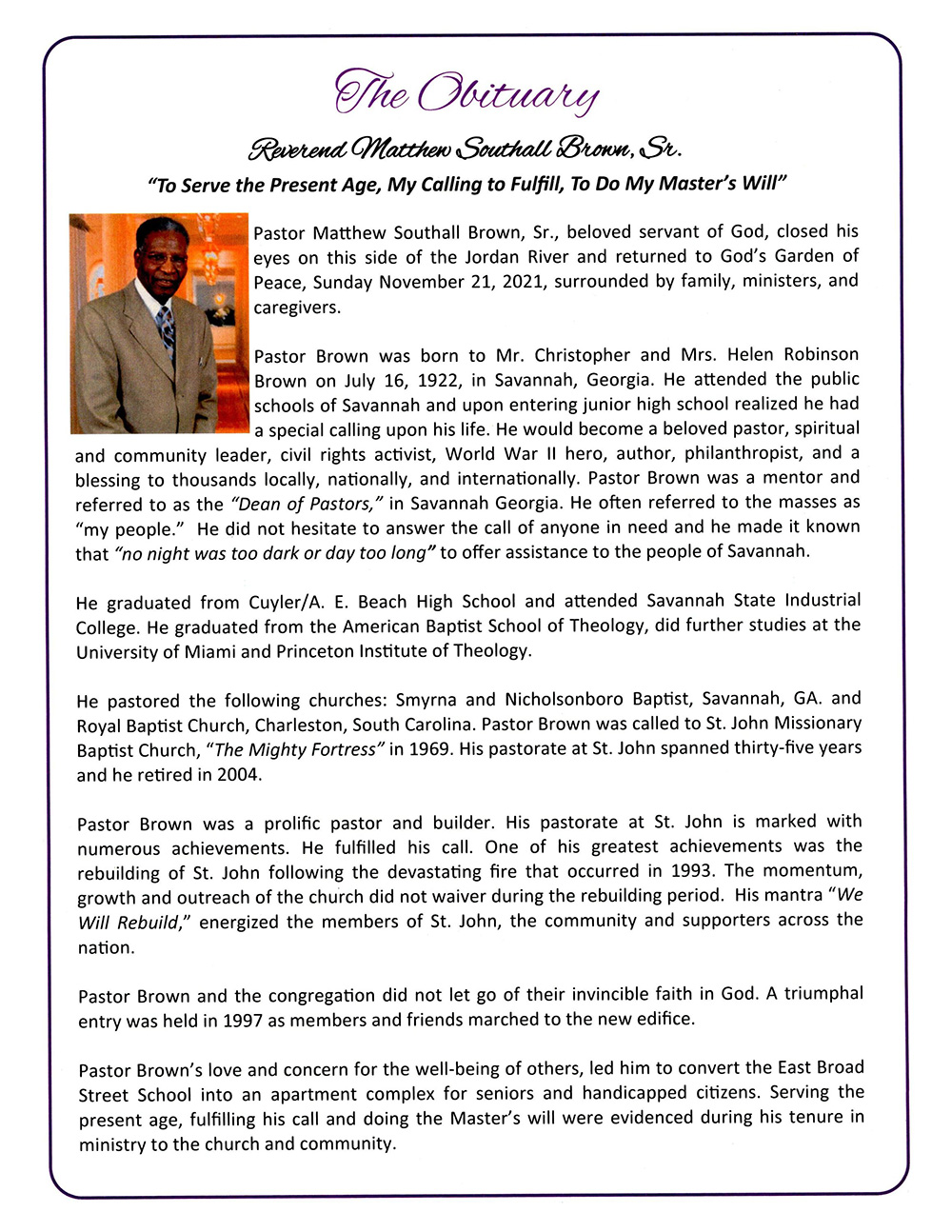
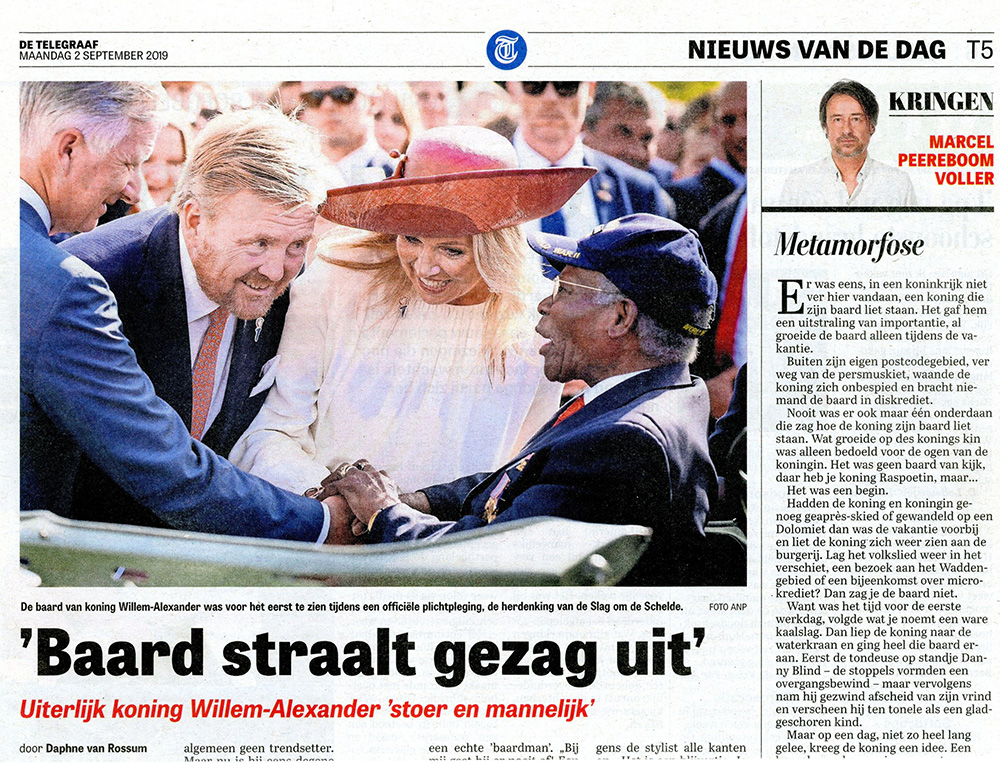
The Matthew Southall Brown, Sr. Family Papers
Chatham County, Georgia
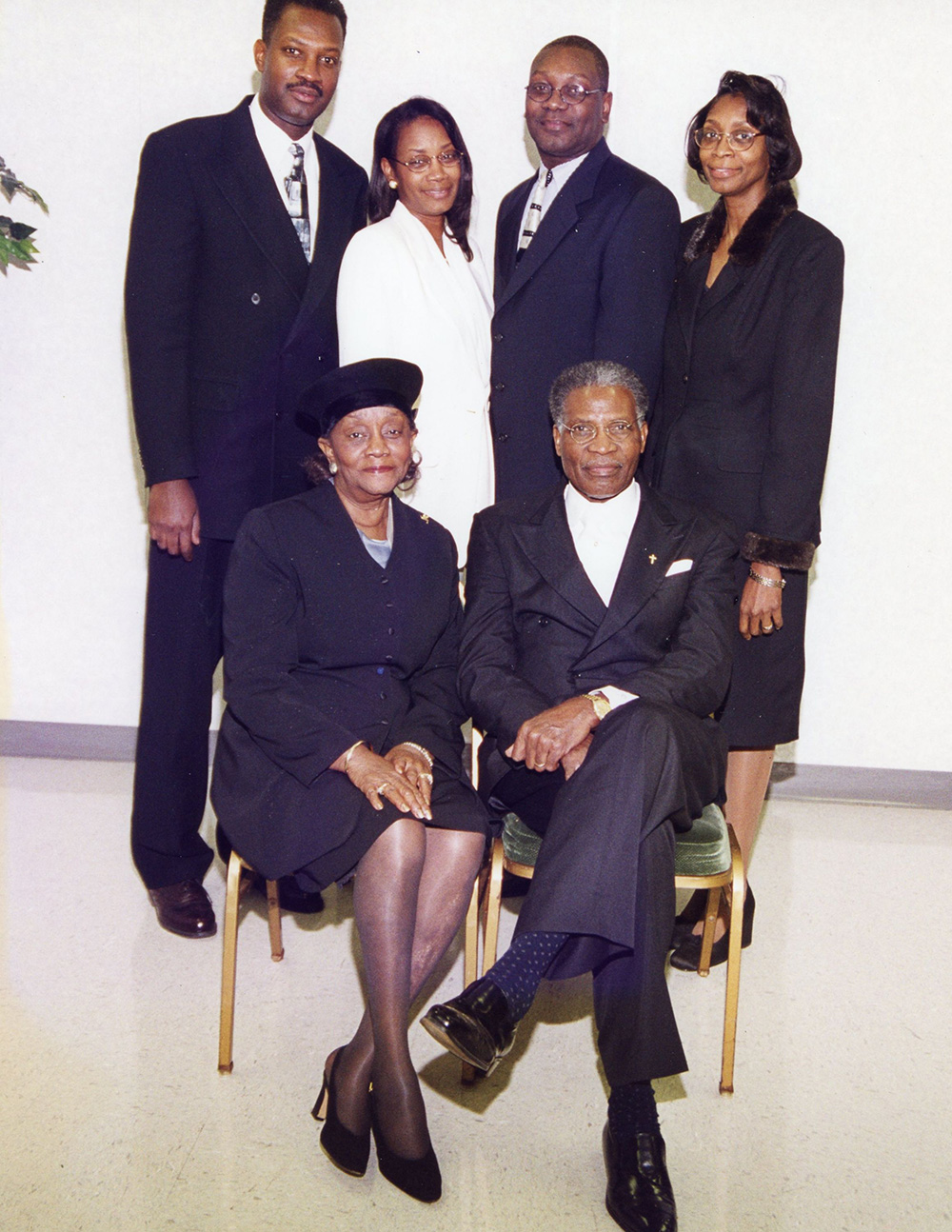
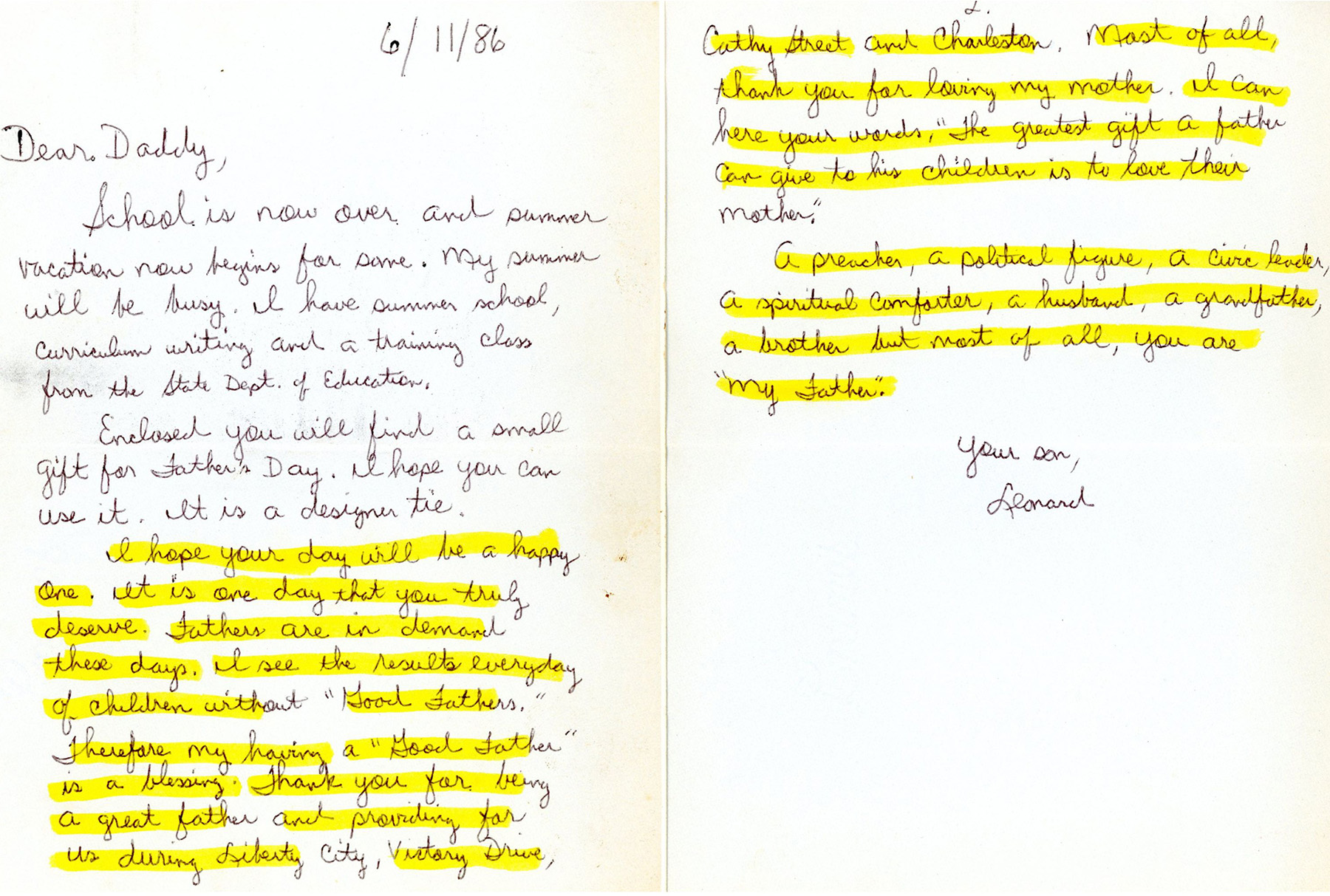
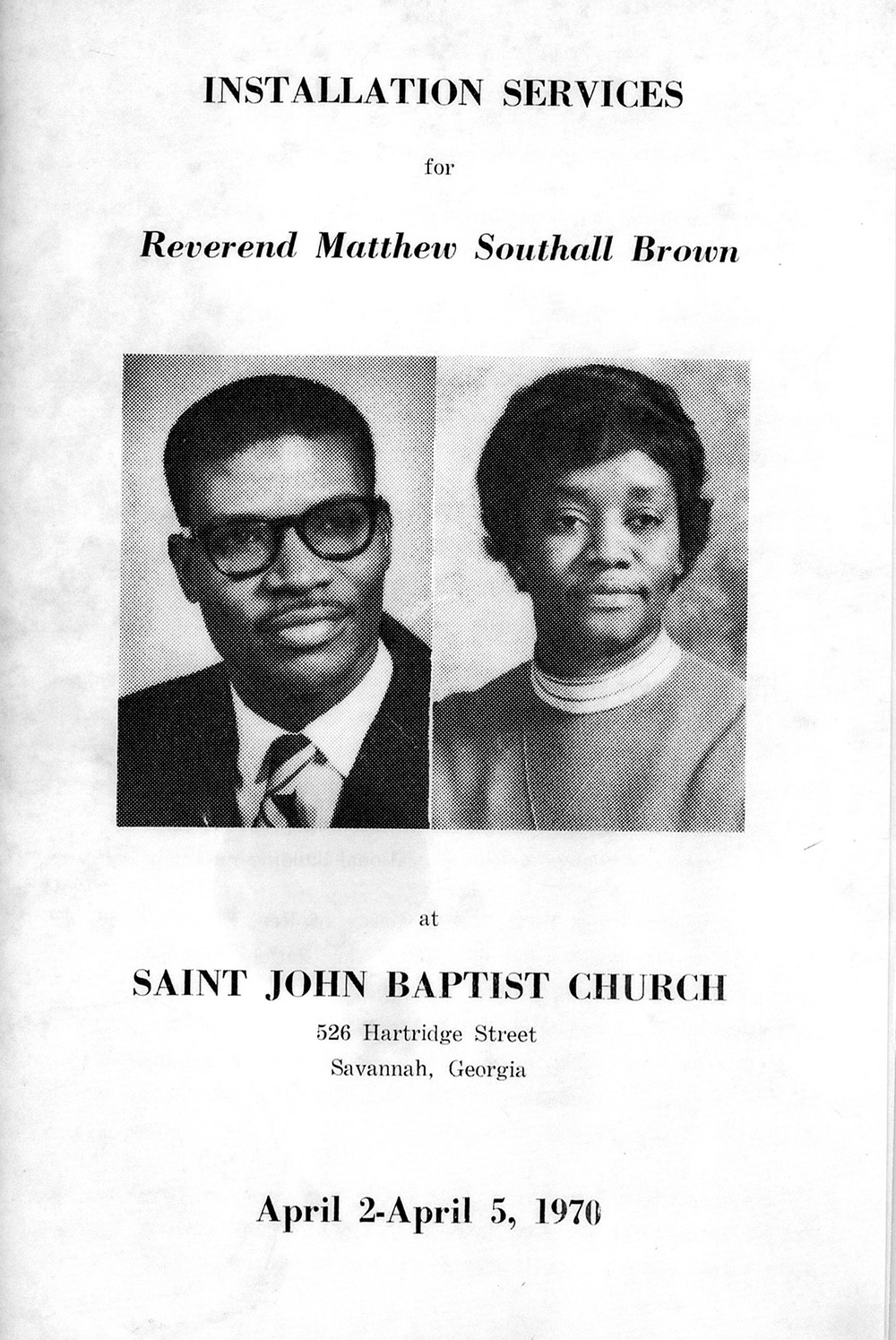
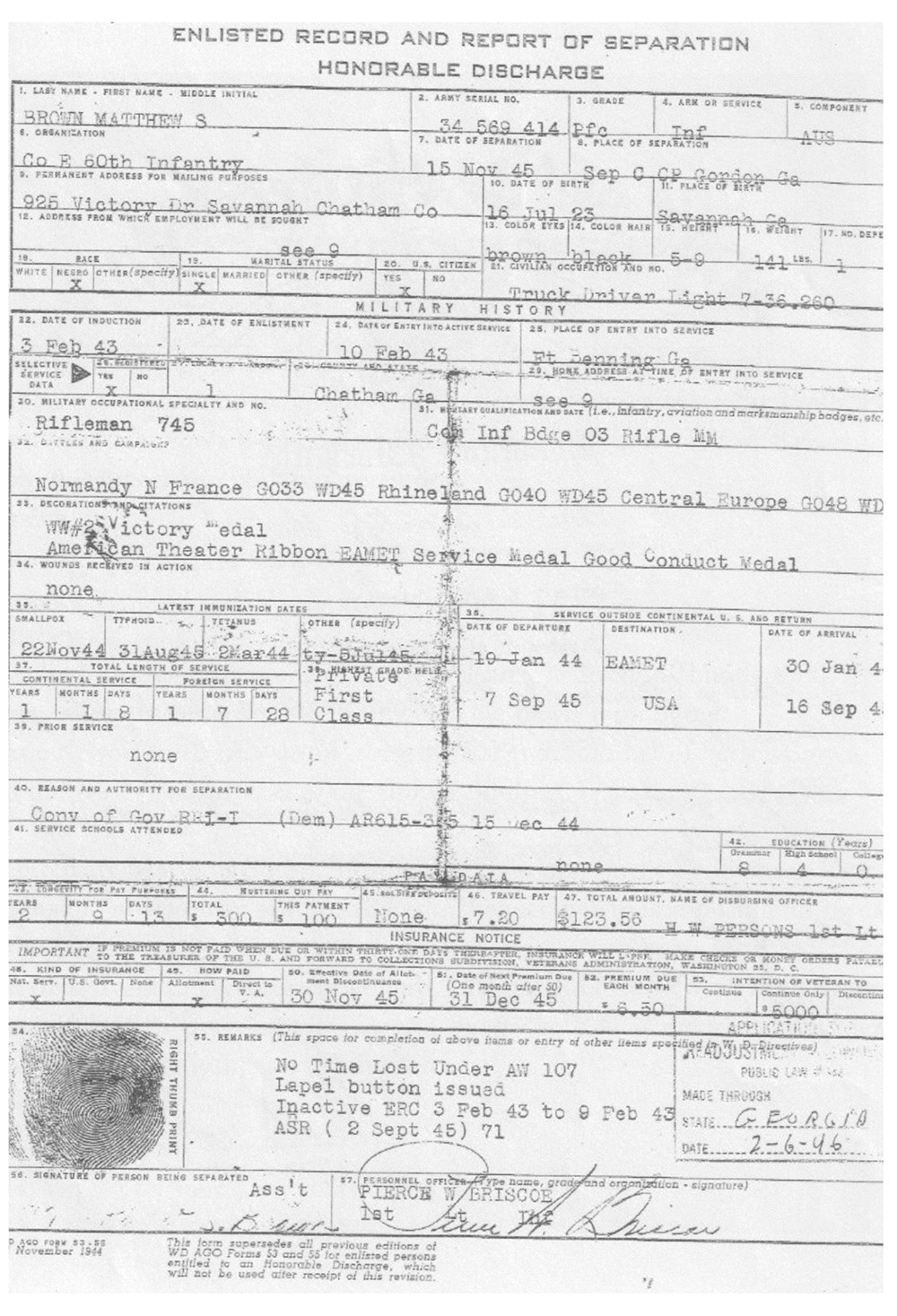
Collection Description: The Pastor Matthew Southall Brown, Sr. Collection documents the life and legacy of Savannah pastor, community leader, and World War II veteran Pastor Matthew Southall Brown, Sr., one of the 2,221 Black soldiers who volunteered to fight in the Battle of the Bulge. The collection highlights his military service, decades of leadership at St. John Baptist Church and within Savannah civic organizations, and his international recognition as a Black Liberator honored in the Netherlands and Belgium for his bravery during the war.
Donated by: Leonard Brown from Chatham County, Georgia
Collection Development: Historic First African Baptist Church
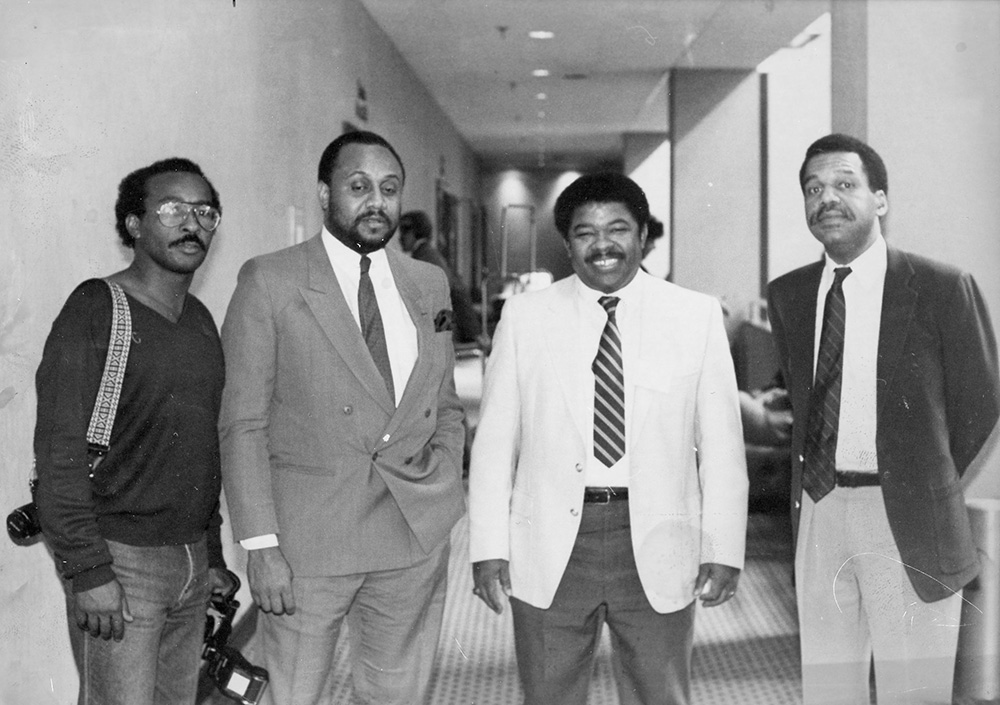
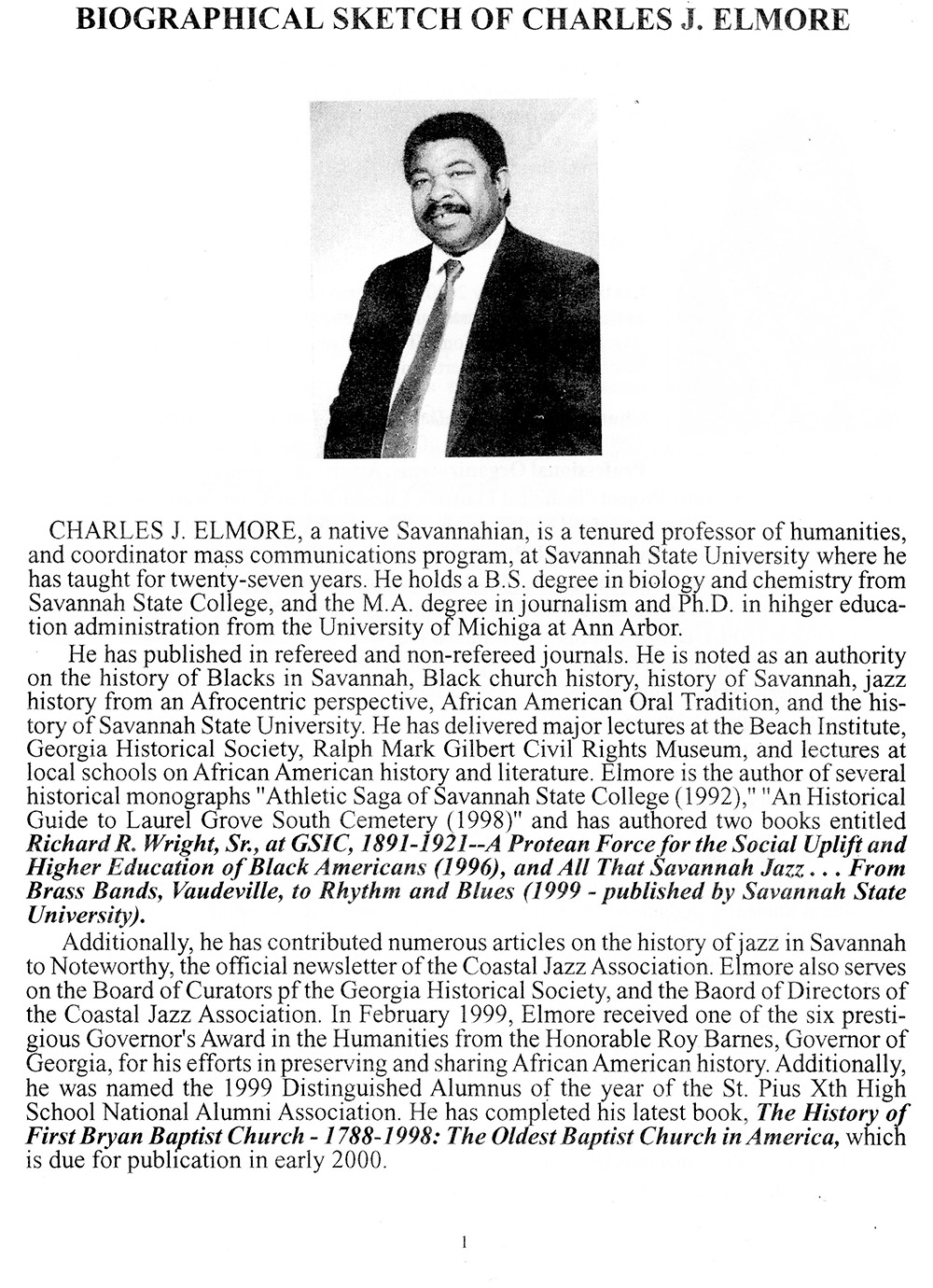
Dr. Charles J. Elmore Papers
Chatham County, Georgia
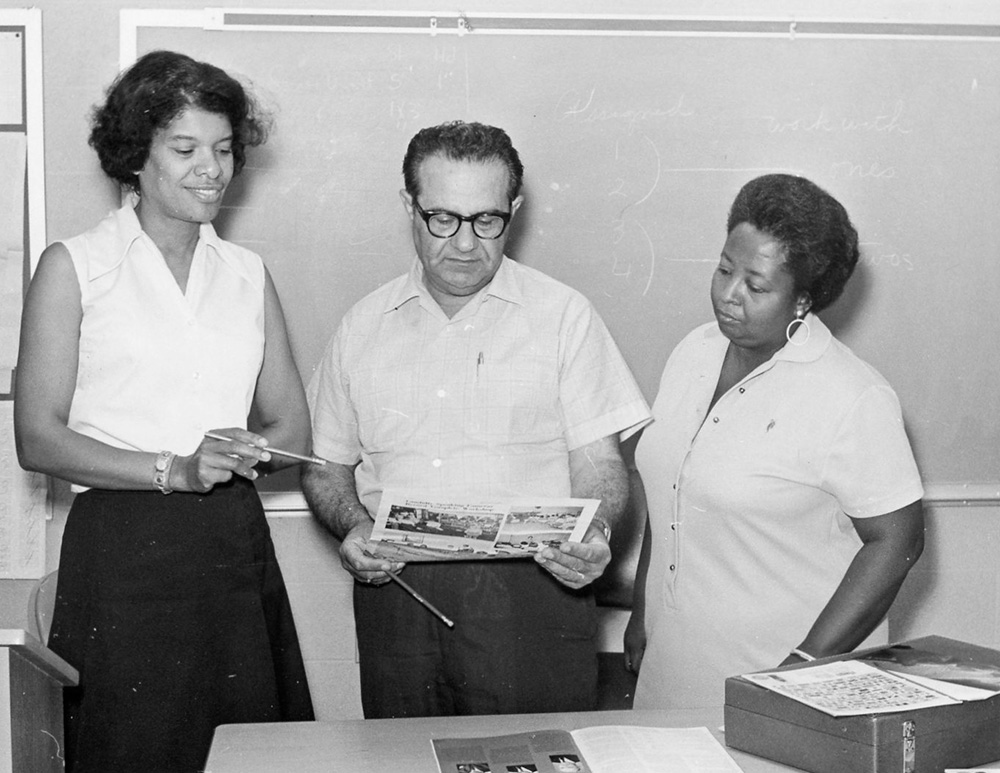
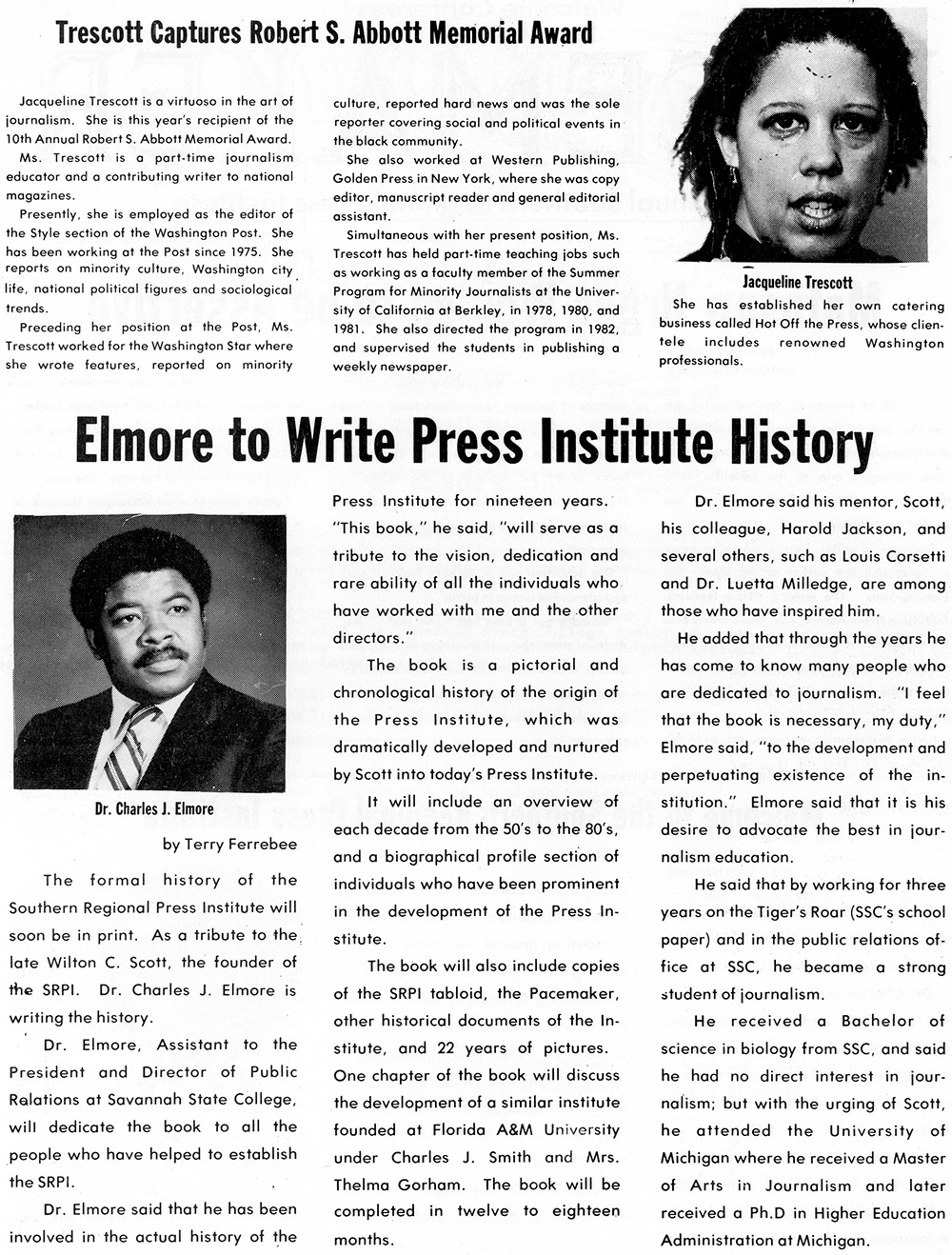
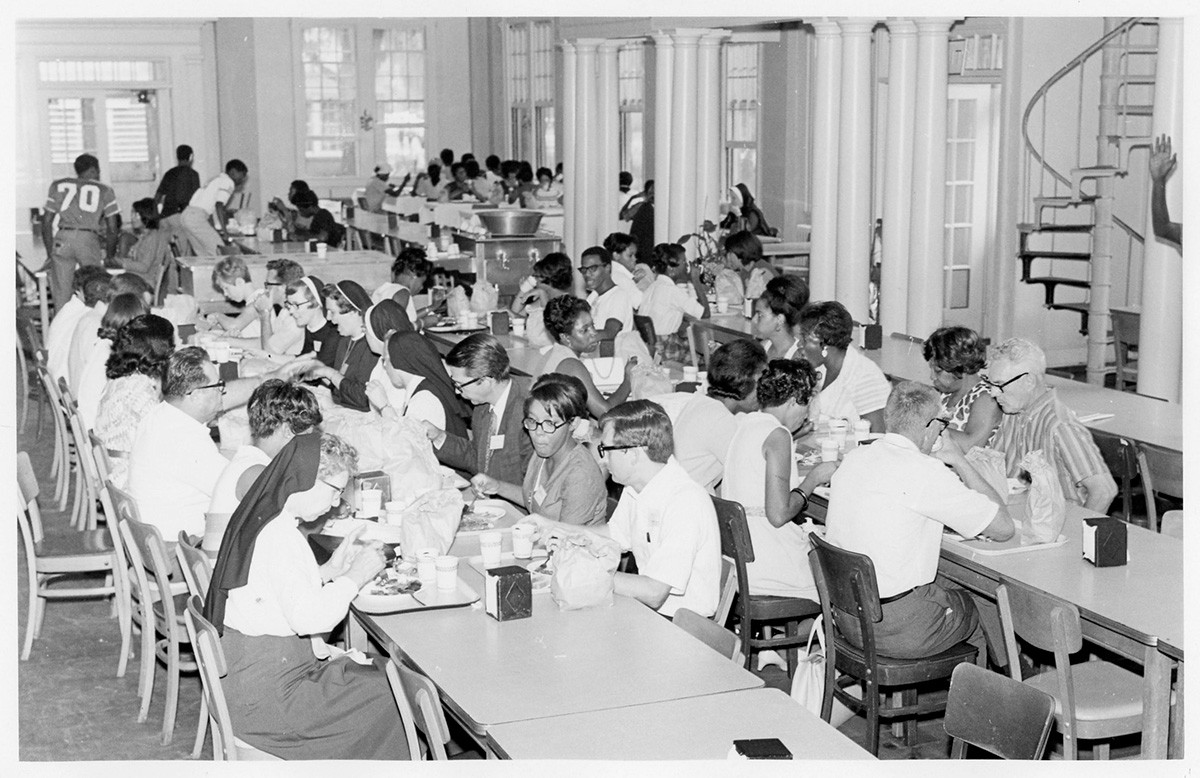
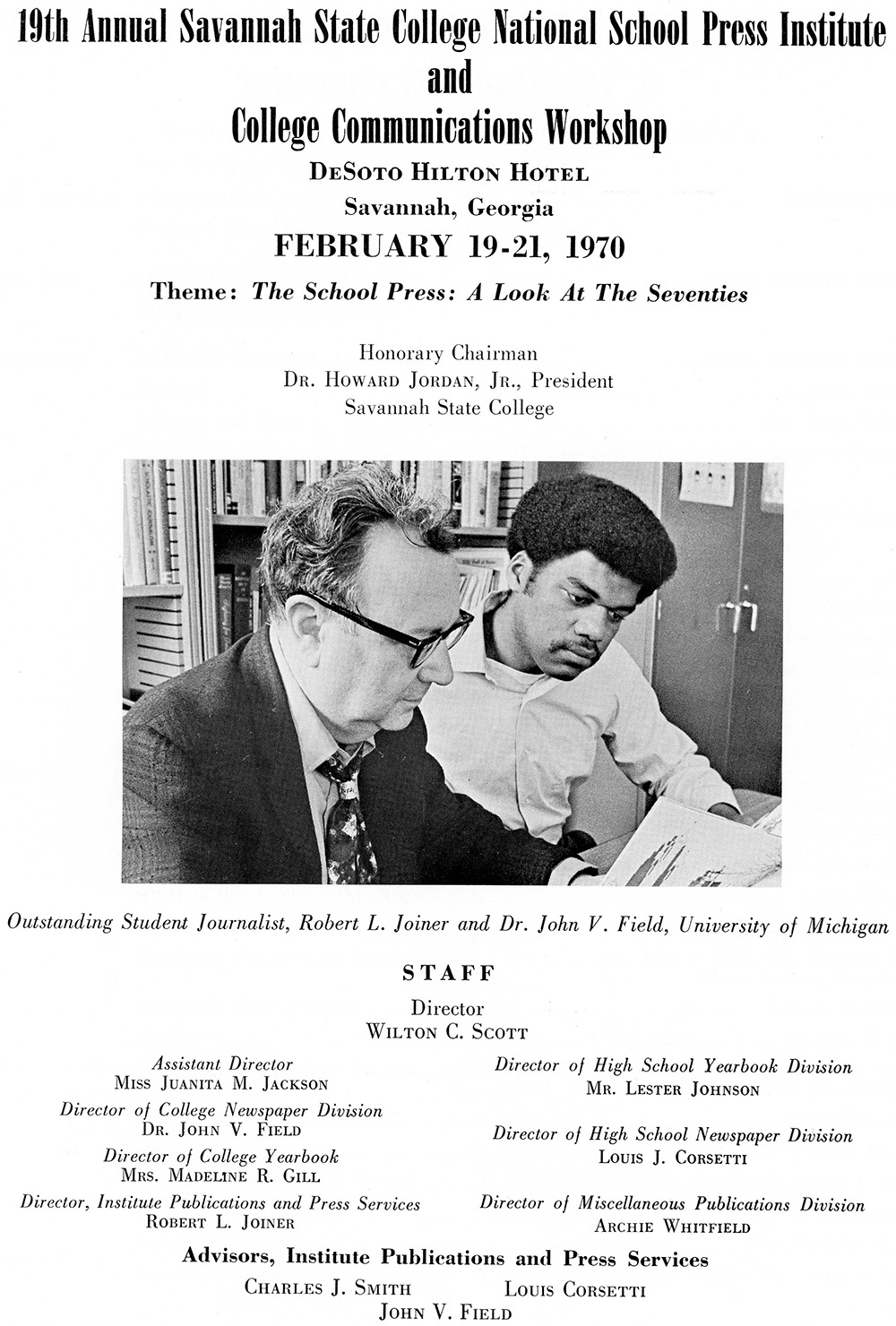
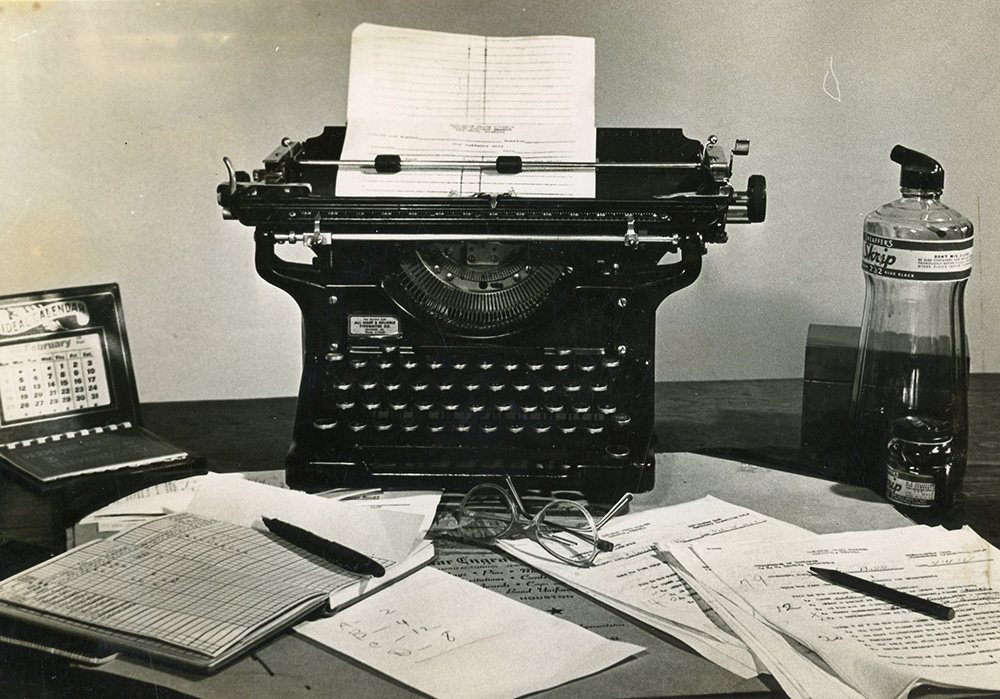
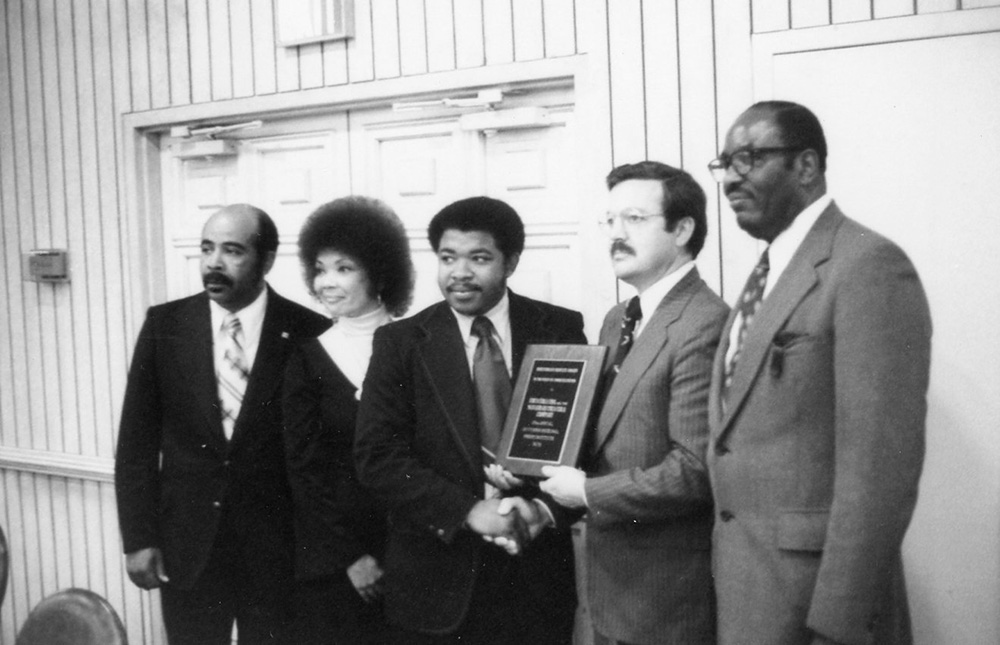
Collection Description: The Dr. Charles J. Elmore Papers document the life, scholarship, and career of Savannah historian, educator, author, and longtime Savannah State University professor Dr. Charles J. Elmore. The collection highlights his contributions to African-American history, journalism education, and the preservation of Savannah’s cultural and community heritage through research materials, publications, photographs, and professional records, including documenting the history and legacy of the Southern Regional Press Institute (SRPI), one of the nation’s oldest journalism institutes at a historically Black college or university.
Donated by: Charles Elmore from Chatham County, Georgia
Together, these materials form more than a record of the past—they represent the lived experiences of communities across Georgia. Preserved through family collections, schools, churches, and local organizations, they help ensure that everyday stories remain part of the historical record. As the Georgia Historical Society continues its collecting mission, this work remains ongoing, inviting new contributions that will deepen and expand our understanding of Georgia’s past for future generations.
Get involved with preserving Georgia’s history:
- Donate your papers and collections to GHS
- Help us by enhancing digital collection descriptions
- See how we develop student resources based on primary sources:
Special thanks to Historic First African Baptist Church, Veterans at the Library, Inc., and the Georgia Southern University ESOL Endorsement Program for their collaboration on this project. Through the Community Archives Initiative, individuals, families, and organizations interested in participating, donating materials, or exploring partnership opportunities are encouraged to contact LaPortia Mosley at lmosley@georgiahistory.com.
Sponsors
The Community Archives Initiative would not be possible without the generosity and support of our sponsors. Their contributions help us expand our collections, and host workshops and community collection opportunities.
With support from