
Lesson
Show Up. Speak Up. Serve: Georgia Public Servants on Civic Engagement
The following lesson was developed to supplement Civil Conversations with Stan Deaton, a series of interviews with public officials about the meaning of civic engagement and its importance in our history.
With support from

What Does It Mean to Be an Engaged Citizen?
Democracy depends on people.
Voting is one way to participate, but civic engagement is much bigger than elections. People can serve their communities, attend public meetings, speak about issues they care about, volunteer, serve on juries, learn about their community’s history, or even run for public office.
Georgia’s public servants were asked what civic engagement means to them. Although their experiences are different, their answers share a common message:
Democracy works when people participate.
Standards:
SS8CG1.c Describe the rights and responsibilities of citizens according to the Georgia Constitution.
SSCG16 Analyze the difference between involuntary and voluntary participation in civic life.
SSCG16.b Describe how citizens voluntarily and responsibly participate in the political process by voting, performing public service, being informed about current issues, and respecting differing opinions.
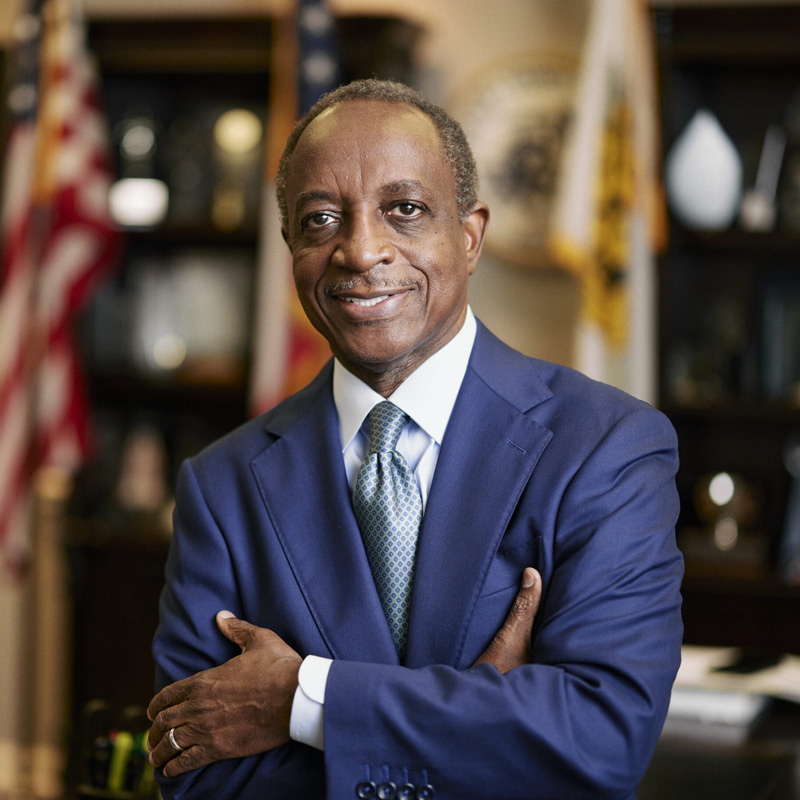
Michael Thurmond
Former Chief Executive Officer of Dekalb County, former Georgia Labor Commissioner
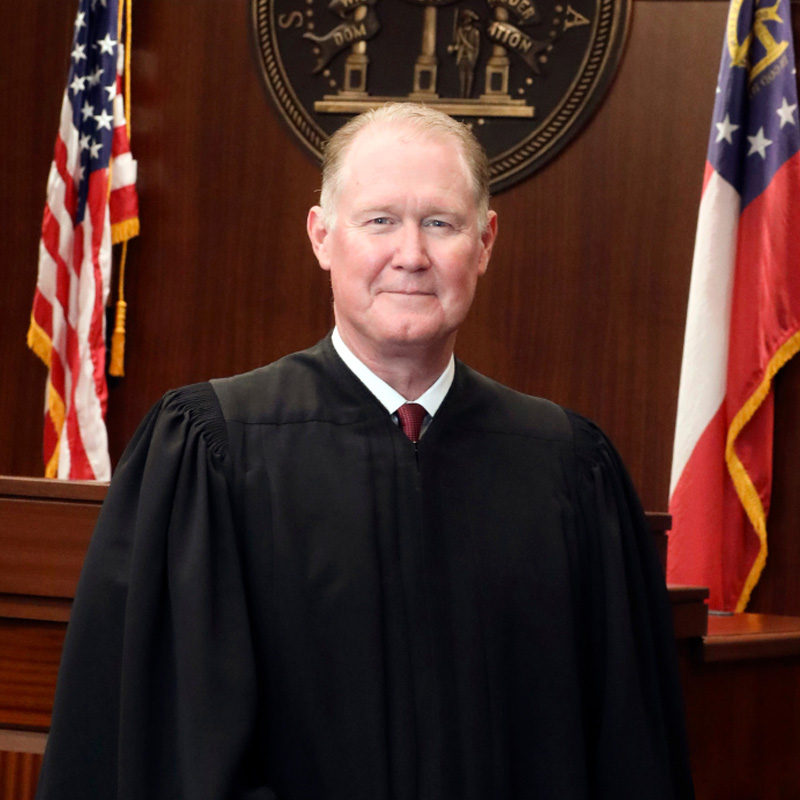
Tim Walmsley
Retired Chatham County Superior Court Judge
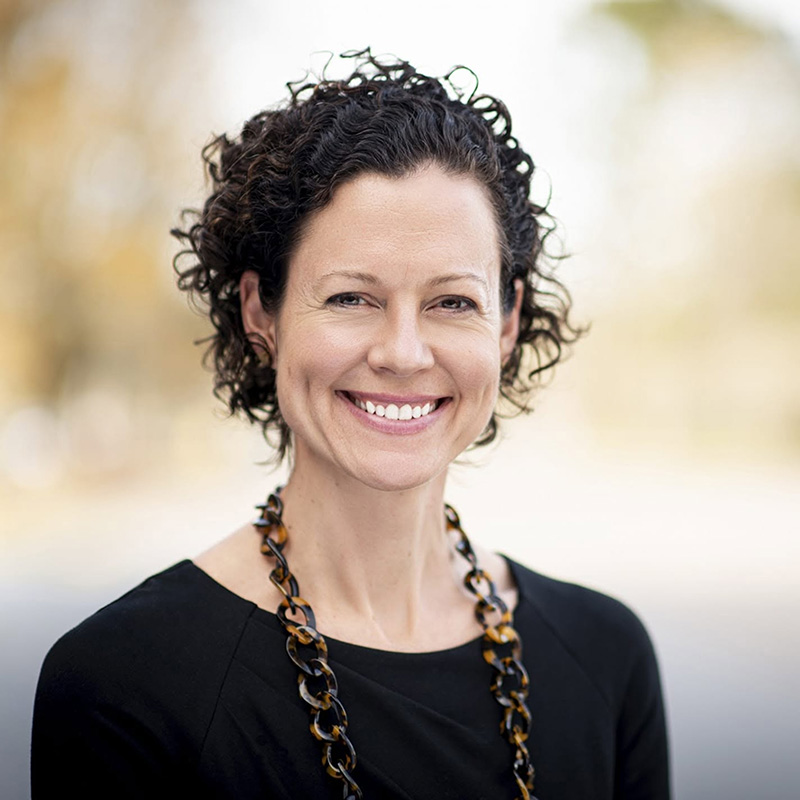
Anne Allen Westbrook
State Representative for Georgia House District 163
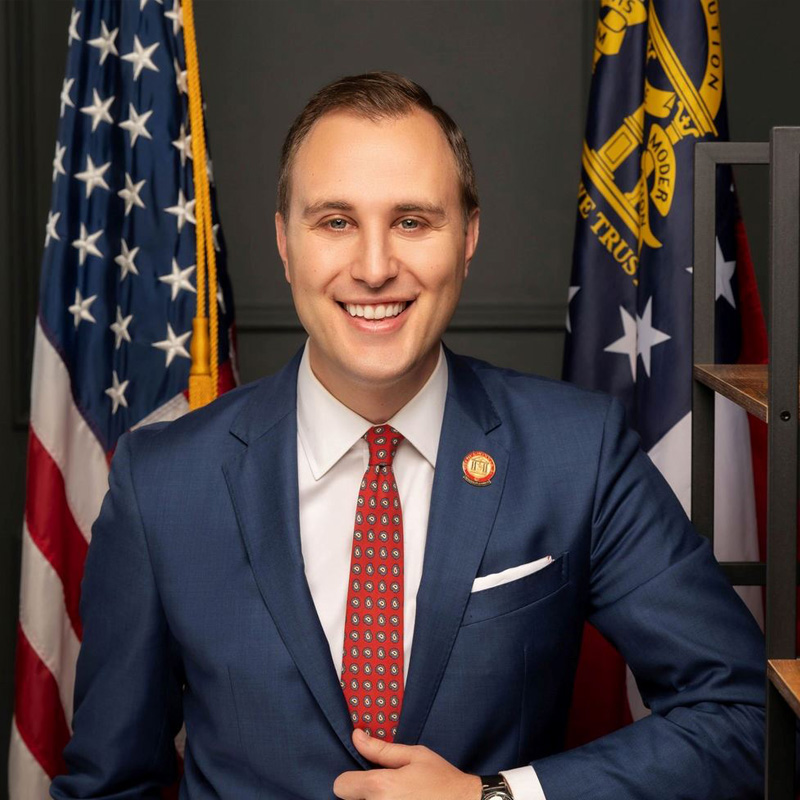
Nick Palumbo
4th District Alderman for the City of Savannah
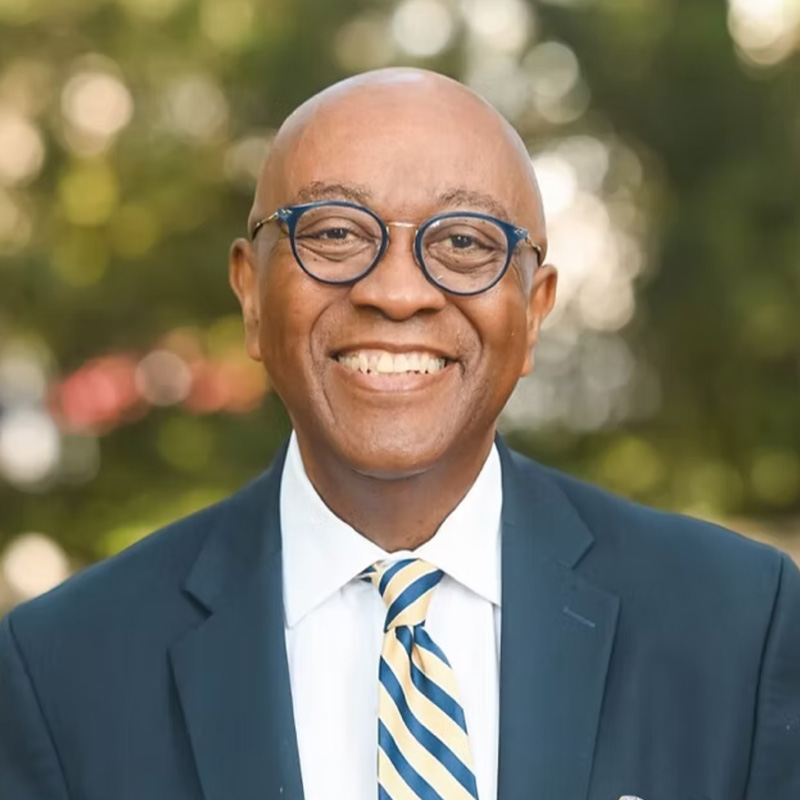
Roger Moss
President, Savannah-Chatham County Board of Public Education
SHOW UP
Democracy needs participants, not spectators.
Civic engagement begins with a decision to participate. That might mean attending a meeting, joining an organization, voting, volunteering, learning about an issue, or simply paying attention to what is happening in your community.
Michael Thurmond:
“There is an obligation to contribute whatever and however one can to the betterment of improving the quality of life for all of our citizens and residents.”
Tim Walmsley:
“You can be a passive citizen or you can actively participate… I’ve always thought that active participation or taking an active part in the community is important.”
Anne Allen Westbrook:
“Democracy is a big group project, and we all have a role to play.”
Nick Palumbo:
“Civic engagement is getting off the bench and getting action… Our democracy requires public engagement and public involvement.”
Roger Moss:
“It’s about being in the room… Being in those rooms where things happen and sometimes being a part of making those things happen.”
SPEAK UP
Your voice is part of the process.
People do not always agree about what the government should do. That disagreement is part of representative government. Civic engagement gives people opportunities to share their ideas, listen to others, debate possible solutions, and influence decisions.
Michael Thurmond:
“Some would argue that it is the foundational concept. When you think about a democracy, you think about the public. That’s what that is, coming together.”
Tim Walmsley:
“Self-government requires government by citizens.”
And later:
“If you’re not happy with government, then you can do something about that… because that’s really what the republic is about.”
Anne Allen Westbrook:
“The only thing securing all the freedom that we enjoy as Americans is the fact that we’re civically engaged.”
Nick Palumbo:
“We all have a duty to let our voice be heard.”
Roger Moss:
“It’s essential… We’ve got to get more people involved… We’ve got to have a bigger table.”
SERVE
Civic engagement is about more than yourself.
Each of these leaders connects civic engagement with improving the lives of other people.
Michael Thurmond gives you the strongest single quote:
“Sacrifice. Putting the best interests of others and giving that interest priority over self-interest.”
Tim Walmsley:
“I have been humbled by the opportunity to do the work that I have done on behalf of the community.”
Anne Allen Westbrook:
“Part of being a public servant is you’ve got to care about the folks you represent, you have to love the folks you represent, truly.”
Nick Palumbo:
“Public office isn’t the goal. It’s an opportunity to make that difference.”
Roger Moss:
“When you’re a public servant, it’s full time.”
START WHERE YOU ARE
Civic engagement does not have to begin in Washington, D.C., or at the Georgia State Capitol. It can begin on your street.
Nick Palumbo became involved in his neighborhood after becoming frustrated by broken sidewalks. Anne Allen Westbrook became more involved because she saw community problems she believed could be solved. Roger Moss decided to run for his local school board because he believed children deserved better educational outcomes.
Small concerns can lead to bigger questions:
That is civic engagement.
THERE IS MORE THAN ONE WAY TO PARTICIPATE
You do not have to run for office to be an engaged citizen.
You can:
- Vote when you are eligible.
- Attend a school board, city council, zoning board meeting, or county commission meeting.
- Contact an elected representative.
- Volunteer for an organization.
- Join a neighborhood or community group.
- Advocate for an issue.
- Learn about issues before forming an opinion.
- Serve on a jury when called.
- Study and preserve your community’s history.
- Listen to people whose experiences or opinions differ from yours.
WHY DOES CIVIC ENGAGEMENT MATTER?
Judge Tim Walmsley sums up the connection between citizenship and our system of government: “Self-government requires government by citizens.”
A republic cannot function by itself. Institutions, laws, and elections provide a structure, but people make that structure work. Citizens have to participate. They have to learn. They have to listen. They have to make choices. And sometimes, they have to step forward and lead.
SHOW UP. SPEAK UP. SERVE.
How will you participate?