
Georgia Uncovered:
Investigating Our State’s Legends
Andersonville Prison

A presentation of


Are you ready to uncover the secrets of Georgia’s past? Legends, like those surrounding Andersonville Prison, have been passed down for generations. But are these stories fact, fiction, or a little bit of both? It’s time to investigate the subject and explore our past like historians. With primary sources, videos, and activities, you’ll research the history behind these legends.
To guide you through this journey, you will download a Detective’s Journal. This tool will assist you in reflecting on your journey through the mysteries of Georgia’s past. This interactive PDF is designed to help you think critically, ask questions, and document your findings. Each section of the exhibit corresponds to a part of the journal, with prompts to reflect on what you’ve learned, analyze primary sources, and connect the legends to Georgia’s statewide impact.
What Are Legends?
Legends are a mix of history and imagination. They are stories based on a real person or event from the past that have been passed down for generations. Legends usually have cultural significance with exaggerated elements. They are fun to tell, but the truth can get lost along the way. Your job as a historian is to figure out what is real and what is made up. As you investigate the legends of Georgia, it is imperative that you understand the importance of utilizing tools to help you along your journey.
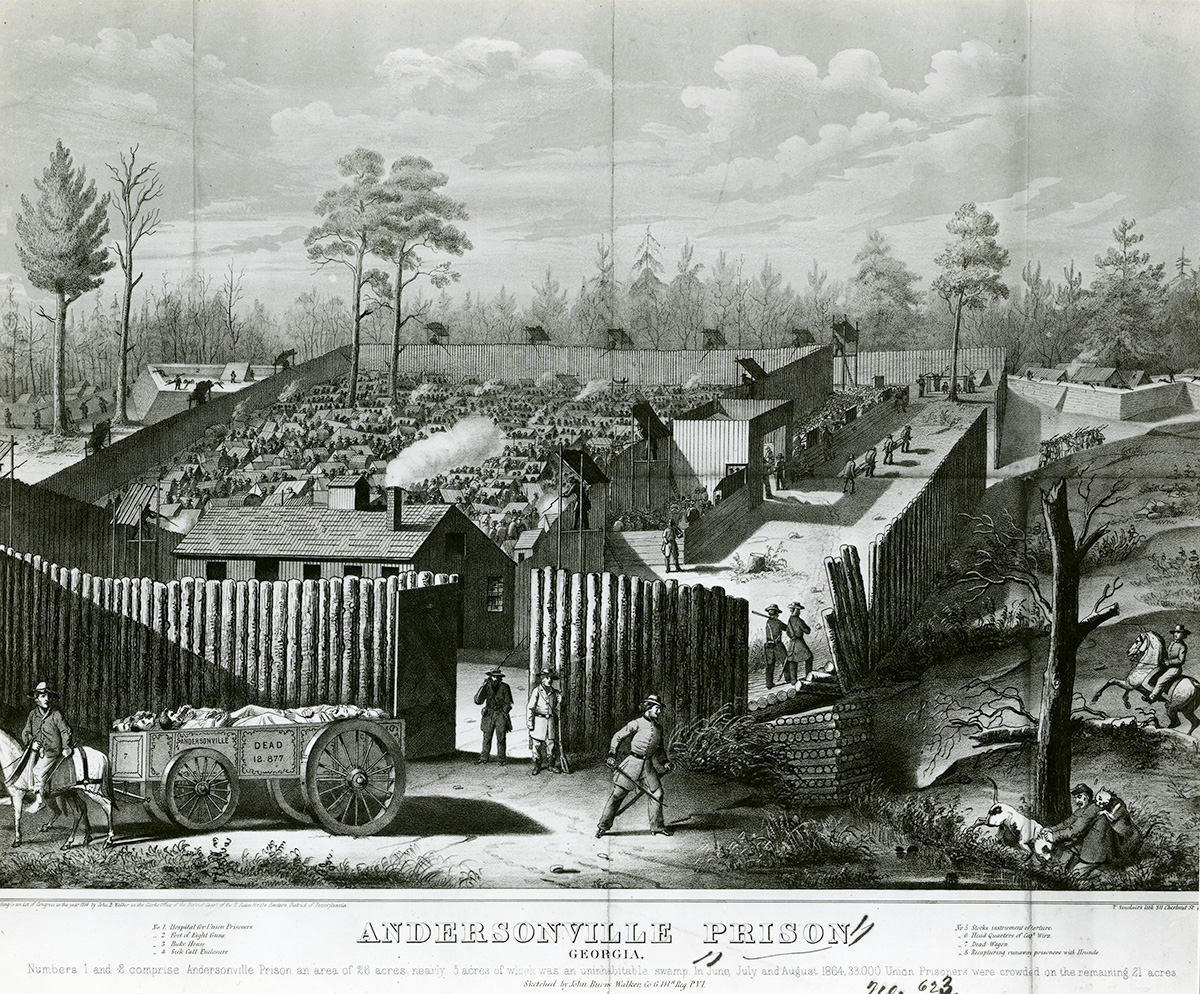
Here are a few key terms to help as you investigate Georgia’s legends:
- Andersonville: founded in 1864 and located in southwest Georgia, the largest prison camp in the Civil War.
- Columbus: a city founded in 1828 along the Chattahoochee River to serve as a trading post.
- Historian: like a detective of the past, someone who researches in primary and secondary sources and constructs a narrative about things that happened long ago, such as wars, famous people, and how people lived.
- Legend: a story, often passed down through generations, that is believed to be based on real events or people, which may include fictional or exaggerated elements.
- Fact: something that is true and can be proven.
- Fiction: a made-up story, though sometimes based on real things.
Legend has it that...
-
“Due to the lack of clean water, inadequate food, and poor living conditions guards died at the same rate as prisoners.”
-
“Captain Henry Wirz, the man in charge of Andersonville, was the only man tried for war crimes during the Civil War and his execution was a matter of revenge rather than justice.”
-
“General Sherman’s March to the Sea destroyed food that was supposed to feed the prisoners.”
Common Legends of Andersonville Prison
Our investigation starts with a highly controversial topic in Georgia history: Andersonville Prison. Andersonville was a Confederate prisoner-of-war camp, and its very nature has given rise to many legends. Here are a few legends surrounding Andersonville Prison:
Legend has it that…
- “Due to the lack of clean water, inadequate food, and poor living conditions guards died at the same rate as prisoners.”
- “Captain Henry Wirz, the man in charge of Andersonville, was the only man tried for war crimes during the Civil War and his execution was a matter of revenge rather than justice.”
- “General Sherman’s March to the Sea destroyed food that was supposed to feed the prisoners.”
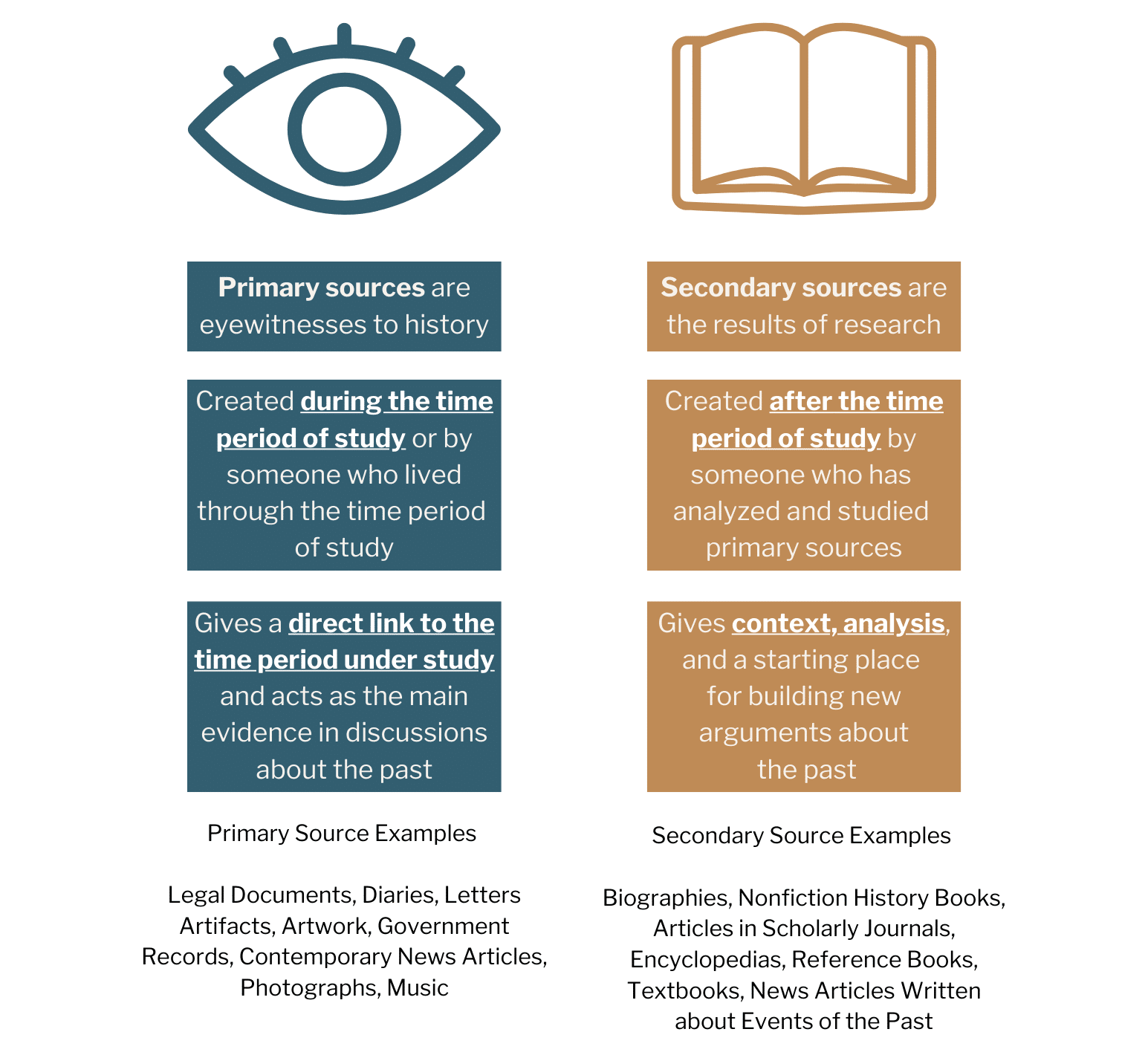
Just like historians, we are going to examine legends surrounding Andersonville Prison using the correct tools and resources to make an informed decision. Understanding the past and connecting the past to its impact on the present will guide us through each section of the exhibit. Signs of a great historian include:
- Using both primary and secondary sources to reconstruct the past.
- Critically evaluating sources, identifying biases, and drawing logical conclusions based on evidence.
Overview of the Andersonville Prison
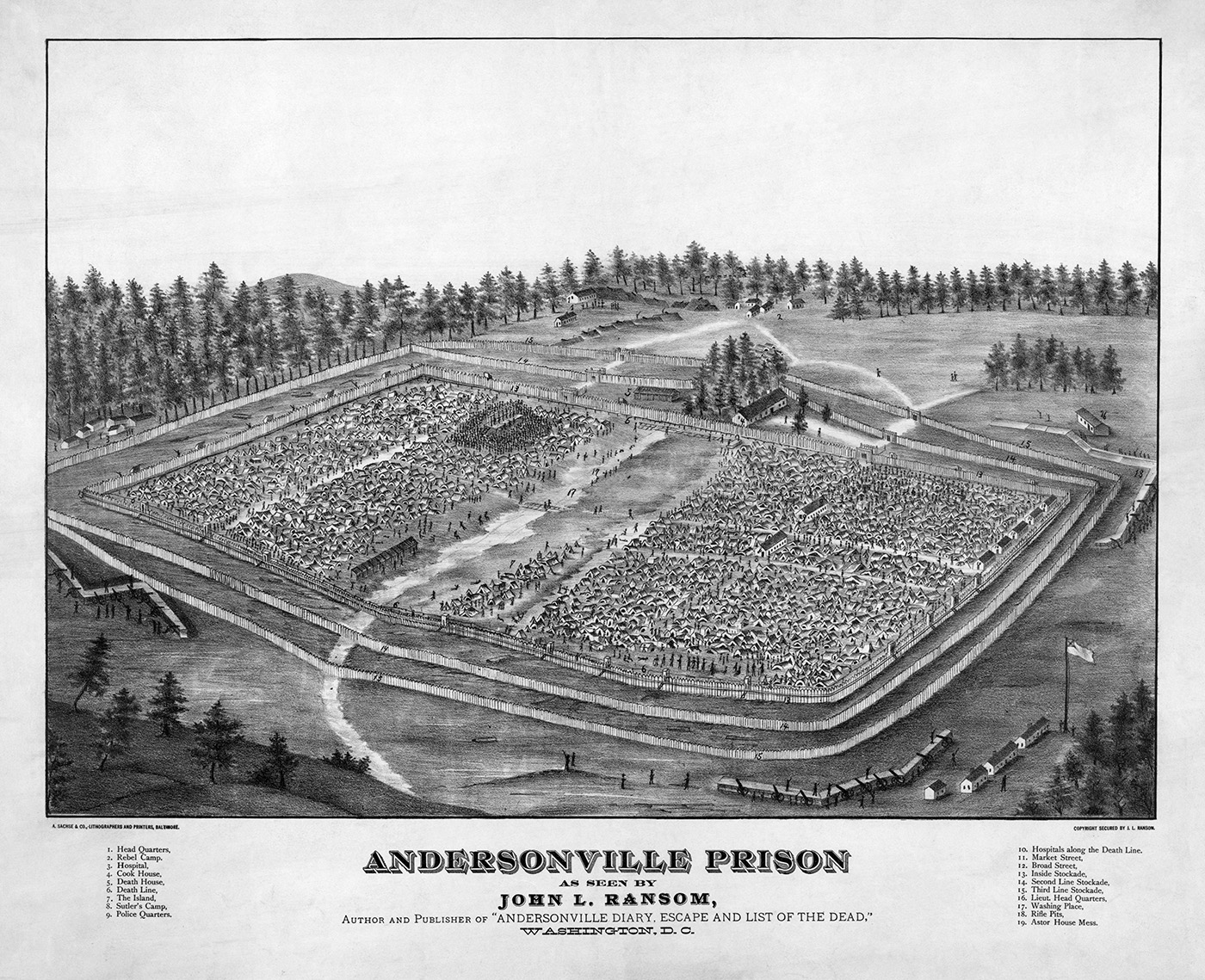
Andersonville was one of several prisons constructed by the Confederacy in the later years of the war to hold U.S. prisoners after the end of prisoner swaps. Andersonville’s location was chosen due to its remote nature; it was removed from the coast making raids impossible and there were few locals to oppose its construction.
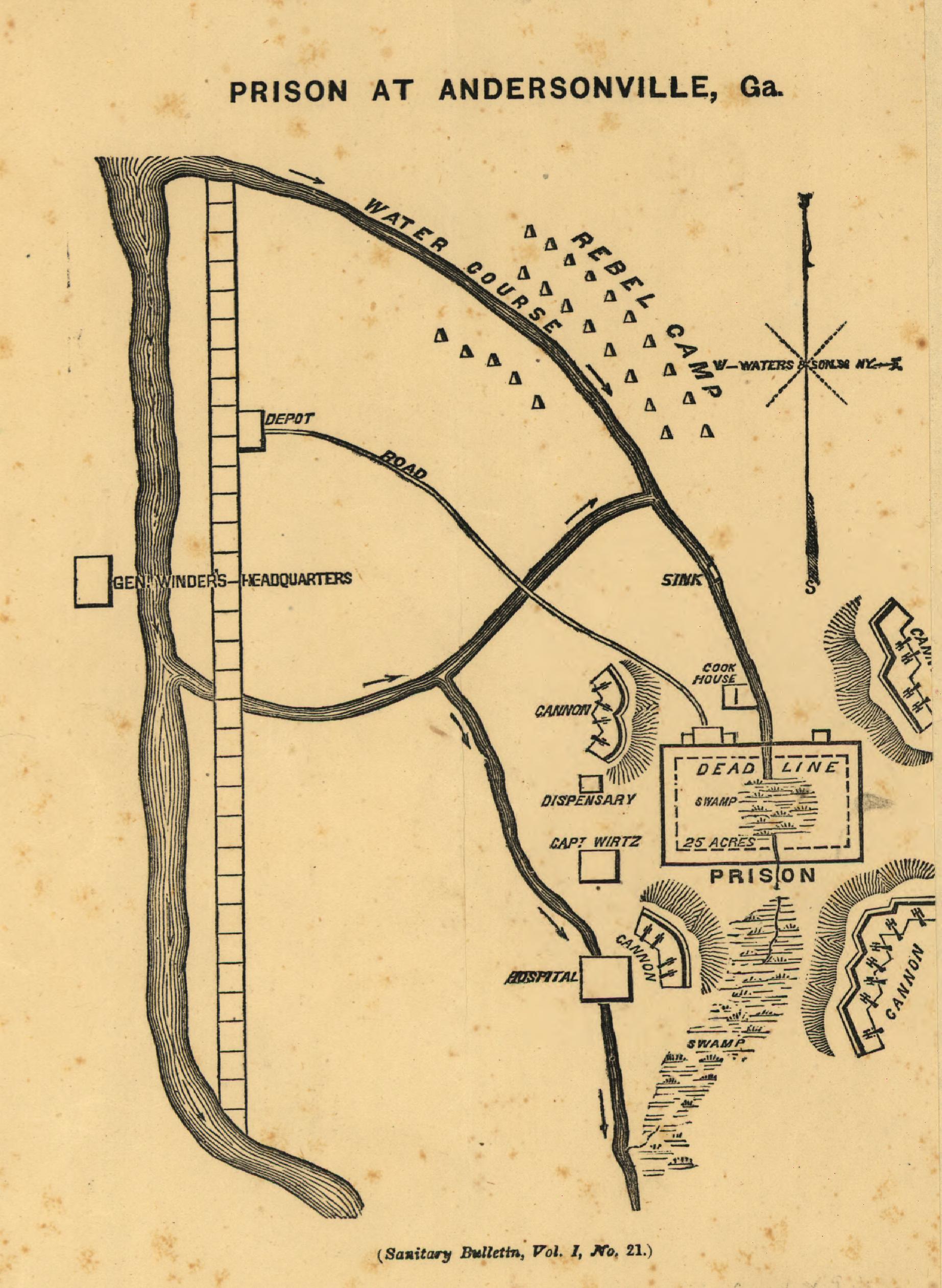
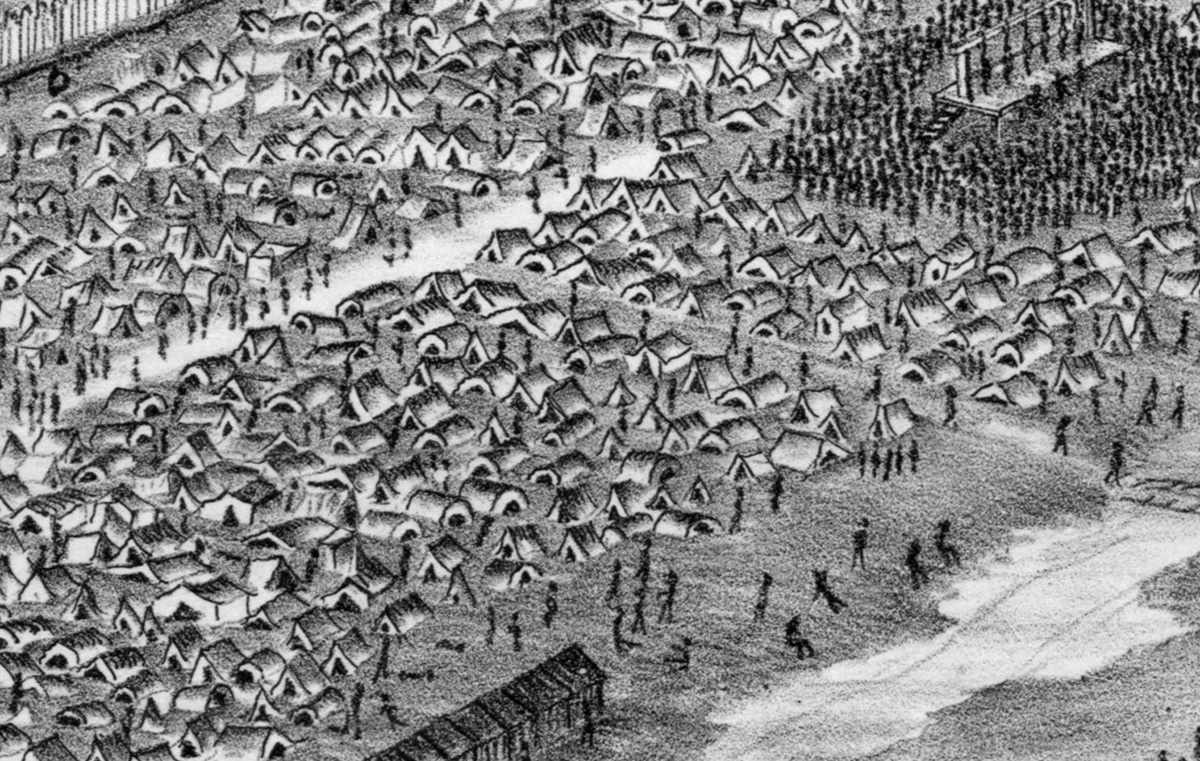
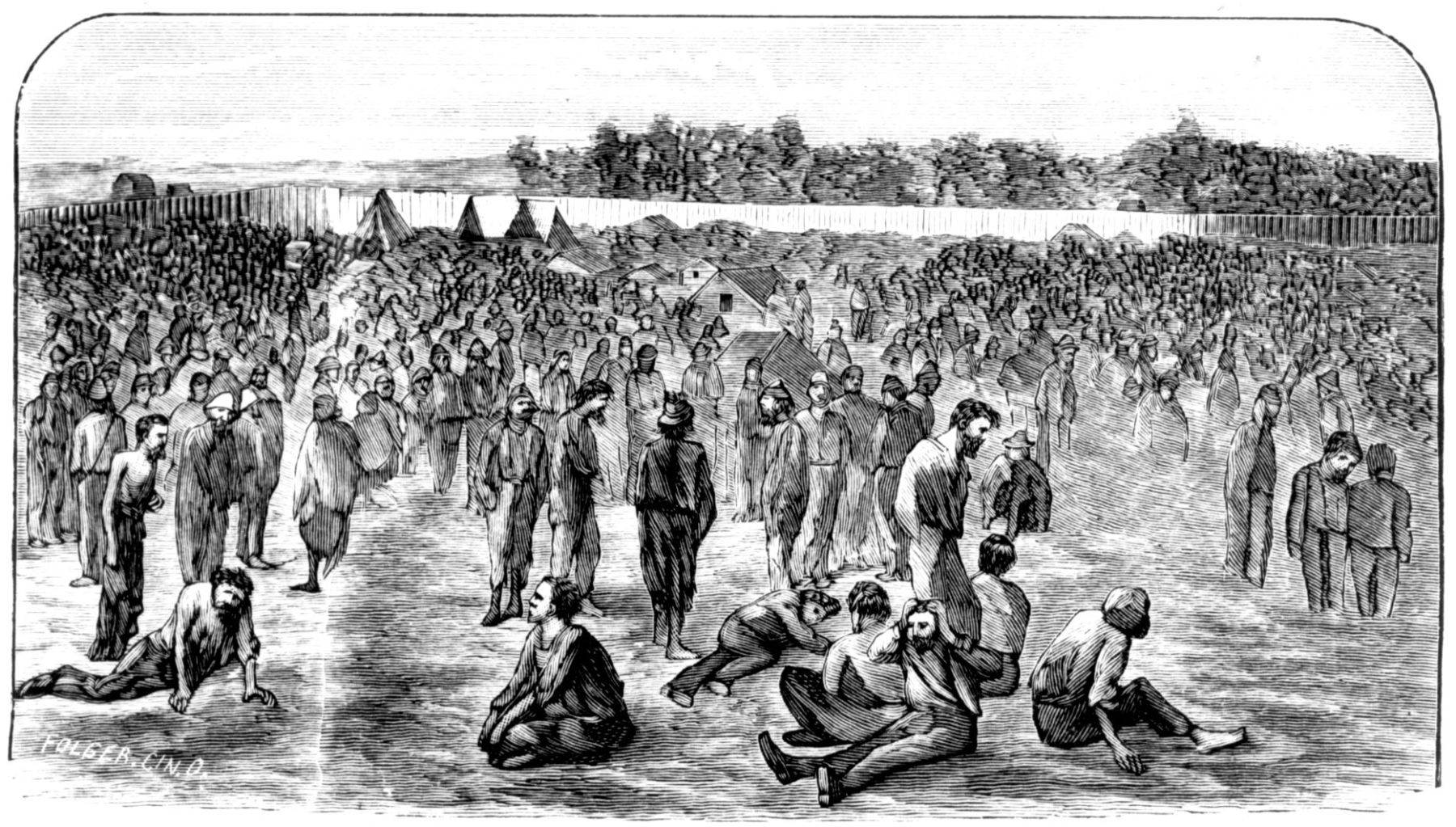
Initially the prison was built to contain 10,000 men and originally consisted of a stockade and trench with a small creek that ran through the prison. In the summer of 1864 as the population exceeded 30,000 Captain Henry Wirz used prison labor to have a hospital, baker, and barracks constructed. Despite this, the prison was not built to properly hold its population, and thousands would die as a result of overcrowding, starvation, and illness.
The Significance of Columbus
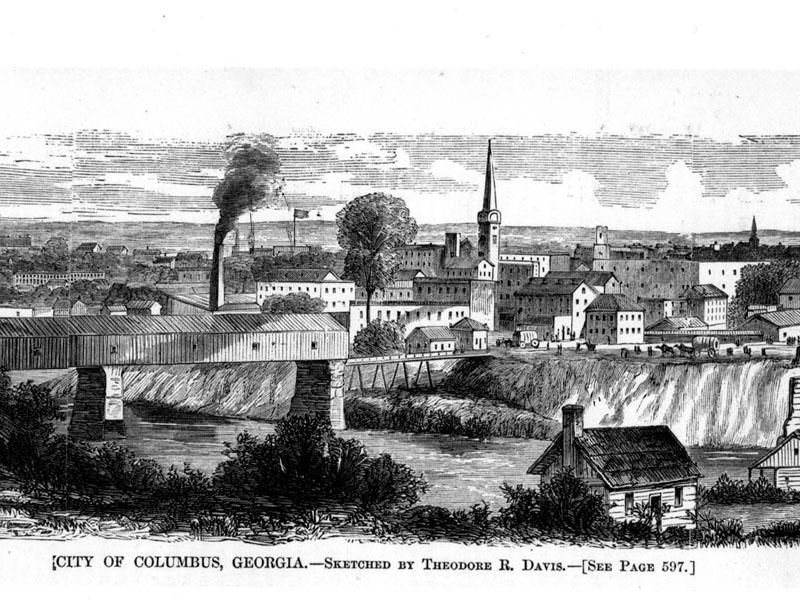
The City of Columbus was founded in 1828 by the Georgia Legislature to serve as a trading post along the Chattahoochee River on what was originally the site of a Creek Indian village and was considered the last frontier town of the original thirteen colonies.
In the civil war Columbus was the Confederate city closest to Andersonville and would at times provide equipment such as spades and axes to the Confederate forces expanding the prison. The city's fall to General James H Willson and his cavalry at the eponymous Battle of Columbus April 16, 1865, would directly lead to the capture of Andersonville and Captain Henry Wirz.
Today, Columbus is now home to several significant cultural institutions such as the National Civil War Naval Museum and the Bo Bartlett Center.
The Facts of Andersonville Prison
In the summer of 1863, the United States ceased all prisoner swaps with the Confederacy. The population of captured prisoners quickly swelled especially with the fighting in Richmond, Virginia. Andersonville was founded in February 1864 to provide a new location for the Confederacy to house the U.S. Prisoners of War. It was originally named Camp Sumter but quickly became known as Andersonville after the nearby train station.
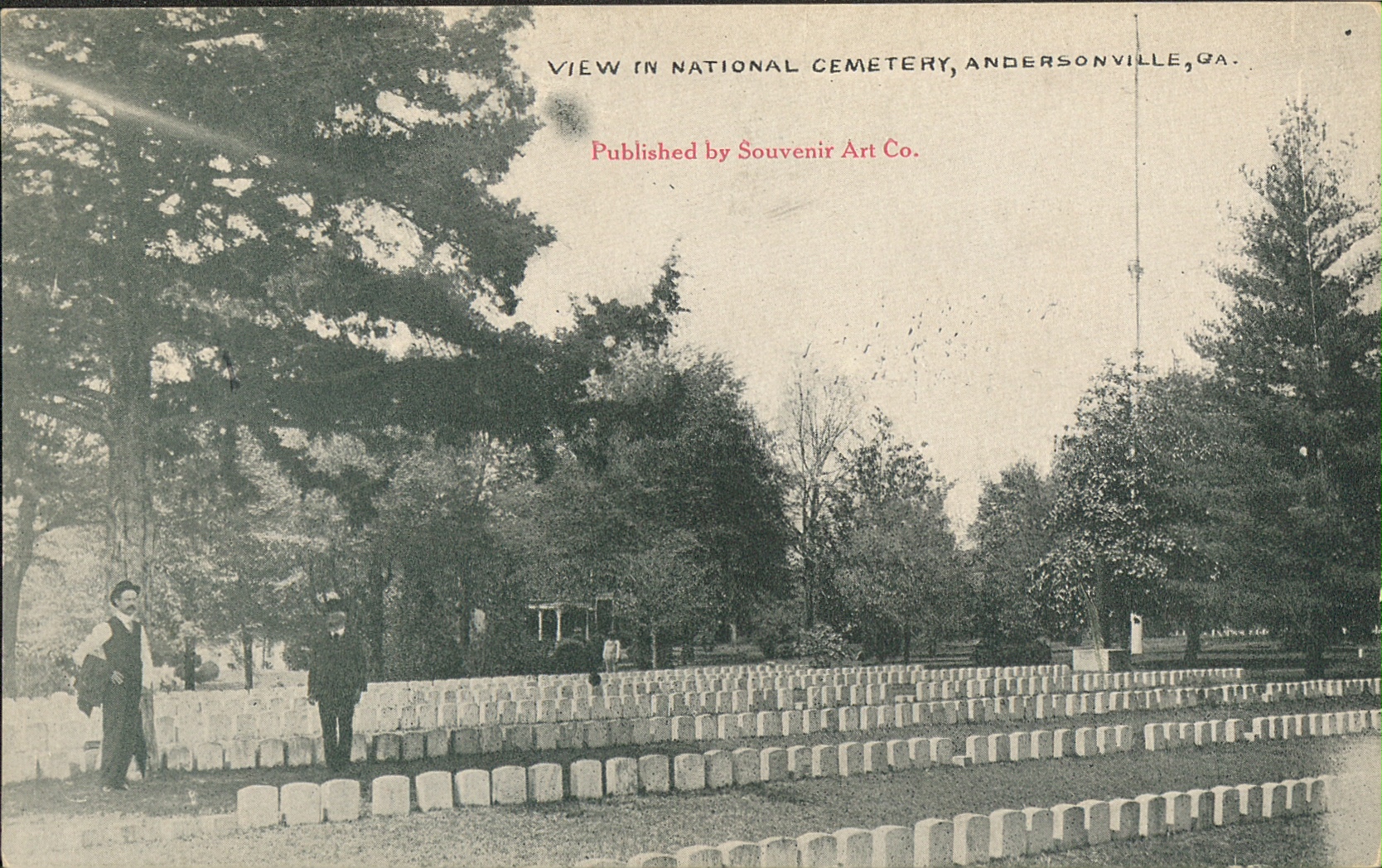
The site was chosen due to its remote location, constructed using slave labor, and was designed to hold a population of roughly 10,000. Over time its population would well exceed 30,000. Poor sanitation and living conditions, lack of food, and bad water—much of which could be attributed to the overpopulation of the prison—meant that of the 45,000 total men who passed through Andersonville’s gates 12,920, or 29 percent, would die in captivity. In addition to this, there were only some 2,000 guards to manage the entire population, leading to powerful gangs forming amongst the prison population. The guards also struggled with the low food supplies but were able to leave the prison grounds to scavenge in the area surrounding the prison. While the casualty rate for guards was high, around 10 percent, they had access to far better conditions than prisoners and had a higher survival rate.
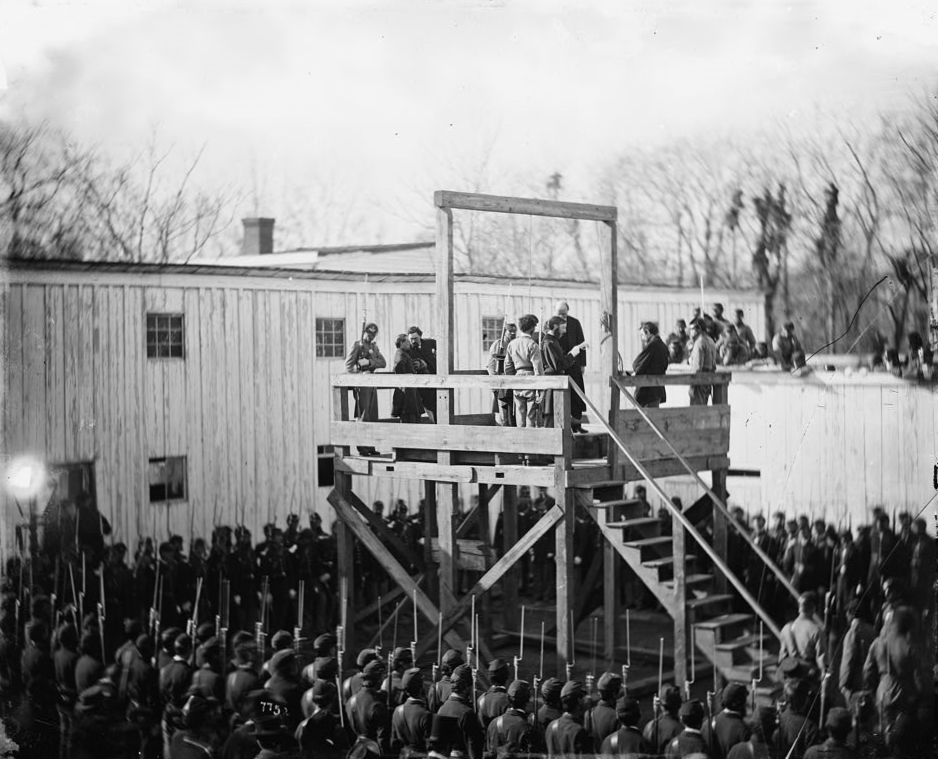
Captain Hartmann Heinrich “Henry” Wirz was placed in charge of the prison in late March 1864 and would remain so until the prison was seized by U.S. forces. Wirz was given this position due to his prior experience managing prisoners in Richmond, Virginia, but found that managing the Georgia prison was an immense challenge. Wirz was tried after the war as a war criminal, where he blamed the overall condition of the prison on his superiors and wartime conditions and claimed that he attempted to help prisoners when possible. Many prisoners, however, testified to his cruelty towards them, and he was found guilty by a military tribunal and executed by hanging. In fact, other men were tried and executed during and after the war. Examples include men like Champ Ferguson who was executed for executing 56 U.S. prisoners, and Robert Kennedy who was executed for placing explosives around New York City. Wirz’s was certainly the most publicized trial, which led many to believe it was the only one.
When General Sherman captured Atlanta on September 2, 1864, the Confederacy immediately began transferring prisoners out of Andersonville to different prisons in Georgia and the Carolinas away from Sherman’s forces. The vast majority of deaths occurred before Sherman’s March began on November 15, 1864.
Tools for Exploration
Great work investigating the legends of Andersonville Prison! Let’s look a little deeper using tools that will aid in connecting the past to the present. Just like a historian, remember to:
- Explore primary and secondary sources.
- Challenge your own assumptions.
- Use evidence to support your arguments.
Be sure to keep the Detective’s Journal near as you further analyze resources, reflect on what you’ve learned, and form your own conclusions. Good luck with your investigation!
Keep scrolling for these resources:
- Dispatches from Off the Deaton Path Video: Andersonville Prison
- Andersonville Prison Interactive Storymap
- Elementary Activity Sheet (pdf)
- Secondary Activity Sheet (pdf)
And then:
- Test Your Knowledge! (Quiz)
Dispatches from Off the Deaton Path
Test Your Knowledge
Dive into the quiz below and discover what you have learned about Andersonville Prison. See how many you can get right and what you can learn more about!
Primary Source Analysis Activity (Padlet)
Visit the following activity to observe, reflect on, and ask questions about a primary source related to Andersonville.
Bonus Resources
Sponsored in part by